

Why Home Gardens Reduce Expenses: A Practical Guide
How home gardens cut your household food costs
Home gardens reduce expenses by replacing store-bought groceries with produce you grow yourself, and the savings are measurable. A well-tended vegetable garden yields an average of $677 worth of fruits and vegetables beyond the $238 typically spent on materials and supplies, excluding labor. That’s a net gain most households can feel in their monthly budget.
The mechanism is straightforward. Every tomato, herb, or head of lettuce you harvest is one you didn’t pay retail for. Beyond the direct swap, home gardens cut waste because you pick what you need when you need it, rather than buying a bag of spinach that wilts before Thursday. Fresher produce also means more nutrients, since vegetables harvested at peak ripeness retain more vitamins than store-bought items picked early for transport.
Food costs have been climbing. In the San Francisco Bay Area, food prices rose nearly 6% year over year from 2025 to 2026, pushing more households toward growing their own food as a direct counter. Reducing food miles also matters: produce grown at home skips the refrigerated trucks, plastic packaging, and distribution markups that inflate grocery prices.
The financial case is strongest when you treat gardening as a hobby rather than paid labor. Studies confirm that when gardeners count their time at minimum wage, net savings shrink considerably. When they don’t, the math works clearly in their favor.
Key home garden savings mechanisms:
- Direct grocery bill reduction through homegrown produce
- Less food waste by harvesting on demand
- No packaging or transport costs embedded in your food
- Composting and seed saving lower ongoing supply costs
- Better nutrition reduces potential long-term health spending
Practical ways to cut gardening expenses and maximize savings
Keeping your garden’s input costs low is where most of the financial leverage lives, as detailed in the top home improvements to tackle during UK Savings Week. The gap between a garden that pays for itself and one that doesn’t often comes down to a few habits, not the size of the plot.
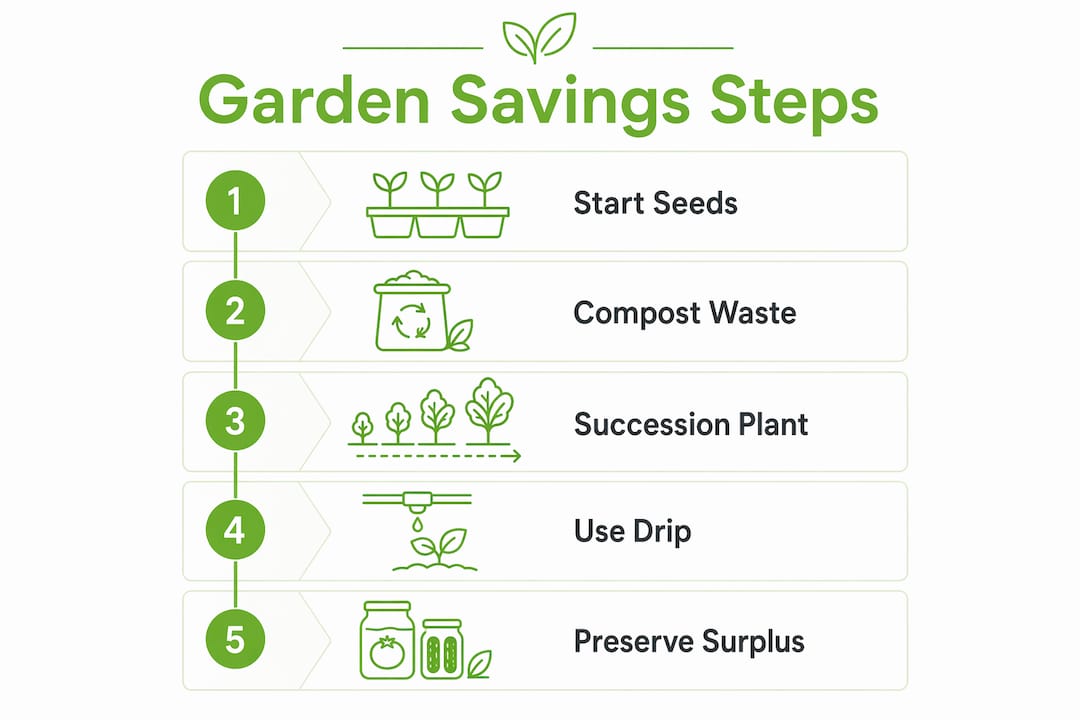
Start with seeds, not transplants. A packet of tomato seeds costs a fraction of a six-pack of seedlings at a garden center. Seed starting does require a few weeks of patience and a sunny windowsill, but the savings compound fast once you’re buying seeds in bulk or saving them from your own harvest.
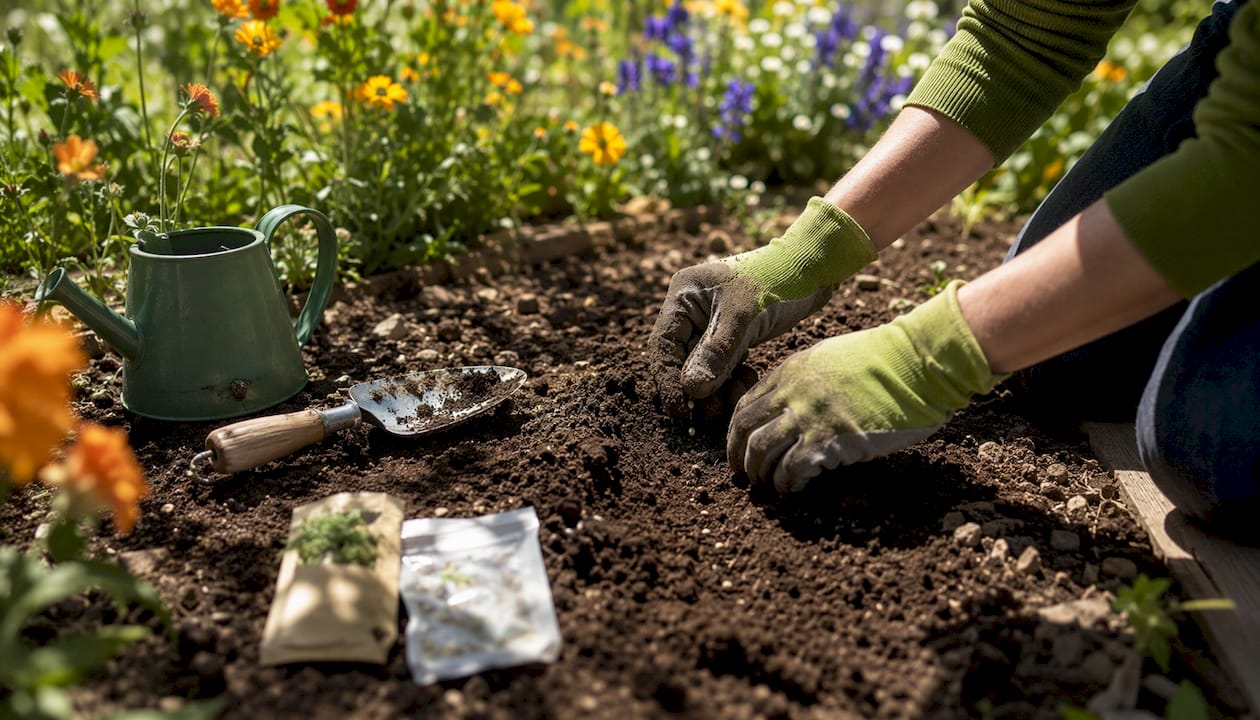
Compost your kitchen waste. Closed-loop gardening using compost from vegetable scraps, coffee grounds, and yard trimmings dramatically cuts fertilizer costs while improving soil fertility. You’re turning what would be trash into a soil amendment worth real money at a garden supply store.
Join a seed or plant swap. Local gardening clubs, community boards, and neighborhood apps regularly host swaps where you trade surplus seedlings or seed packets for varieties you don’t have. The cost is zero.
Keep the plot small and intensive. Research on South Australian home gardens found that smaller gardens are more intensive and return higher outputs per unit area than sprawling plots. A compact, well-managed 4x8-foot raised bed beats a neglected half-acre every time.
Plan for succession planting. Staggering your plantings every two to three weeks means you harvest continuously rather than drowning in zucchini for two weeks and then nothing. Succession planting reduces crop waste and keeps your kitchen stocked without overproduction.
Use drip irrigation or soaker hoses. Hand watering is time-consuming and uneven. Drip systems deliver water directly to roots, cutting water use and the time you spend in the garden.
Preserve the surplus. Canning, freezing, and dehydrating excess harvest extends your savings well past the growing season. A jar of homemade tomato sauce in january is worth more than what you paid for the seeds in april.
Pro Tip: Focus your first garden on high-value crops like fresh basil, cilantro, cherry tomatoes, and salad greens. These cost the most per ounce at the grocery store and are among the easiest to grow, giving you the fastest return on your investment.
Understanding the real costs of starting a home garden
Knowing what you’ll spend upfront prevents the unpleasant surprise of a first-year garden that costs more than it saves. The good news is that most of the major expenses are one-time or multi-year investments.
Studies show the average home garden costs about $260 per season in materials and supplies, with spending ranging from $167 to $322 depending on garden size, crop selection, and local conditions.
| Cost Category | Typical Range | Notes |
|---|---|---|
| Seeds and transplants | $20–$60 | Seeds cost far less than starts |
| Soil and amendments | — | Higher first year; compost cuts this |
| Tools (basic set) | — | Multi-year investment |
| Raised bed materials | — | One-time build cost |
| Water | — | Drip systems reduce this |
| Fertilizer/mulch | — | Eliminated with composting |
Factors that shift your costs significantly:
- Garden size: larger plots cost more to set up and maintain
- Crop choice: herbs and greens are cheap to grow; fruit trees require years of investment
- Soil quality: poor native soil means higher amendment costs early on
- Climate: short growing seasons may push you toward season-extending equipment
- Experience level: beginners often over-buy supplies they don’t need
Labor is the variable that changes everything. When gardeners value their time at minimum wage, only about 20% of home gardens break even financially. Exclude labor, and 65% break even within five years. Most gardeners treat the time as leisure, which is the standard approach in financial assessments of home gardening. If you enjoy being outside and working with plants, the labor cost is effectively zero.
For a realistic first-year assessment, track every dollar you spend and weigh every harvest. The OSU Extension Service recommends tracking garden costs against harvest value throughout the season so you can make smarter decisions the following year.
Challenges that can eat into your garden’s financial returns
Home gardening isn’t a guaranteed money-saver, and being honest about the obstacles helps you plan around them rather than get blindsided.
Time and labor intensity. Gardening takes real hours, especially in the first year. Planting, watering, weeding, pest management, and harvesting add up. If you’re stretched thin, a garden can feel like a second job rather than a hobby.
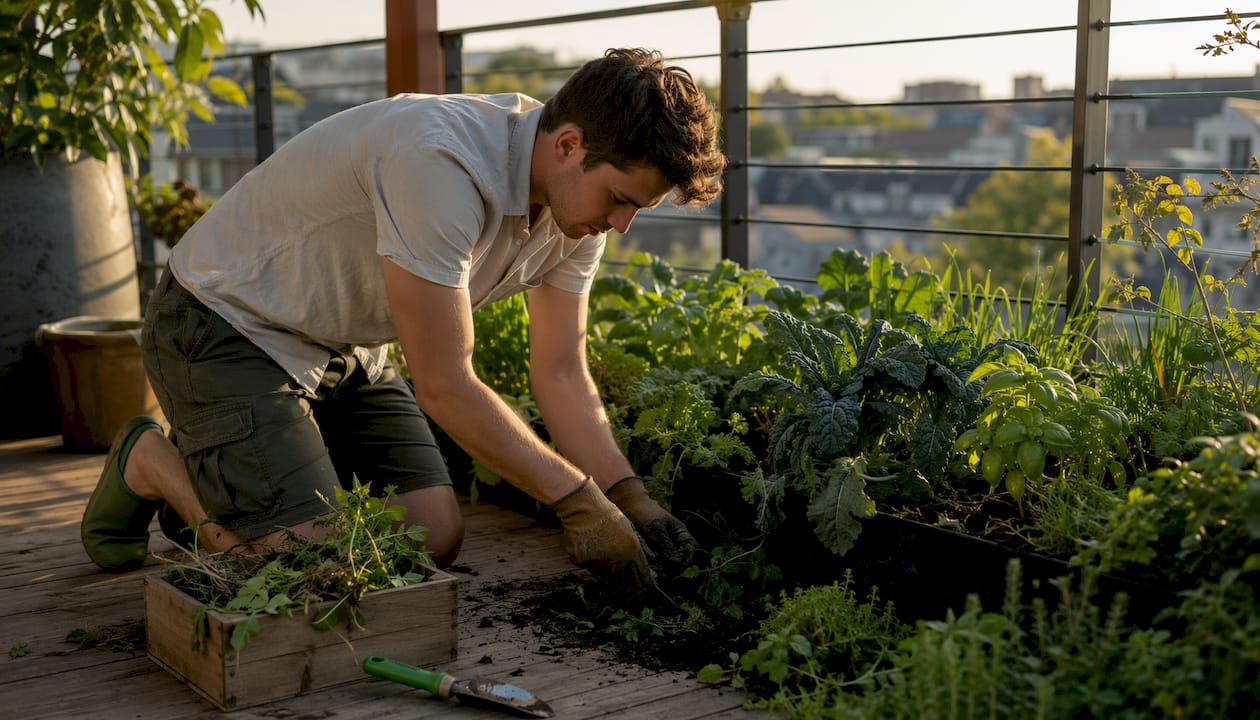
Crop failure and overproduction. A late frost, a pest outbreak, or a fungal disease can wipe out weeks of effort. Overproduction is the opposite problem: more zucchini than your family can eat in a month means waste, not savings.
Slow payback on upfront costs. Raised beds, quality tools, and soil amendments represent real money. First-year gardens often don’t recoup setup costs, which is why the five-year break-even window matters more than any single season’s results.
Knowledge gaps. Planting at the wrong time, overwatering, or choosing crops poorly suited to your climate leads to losses. The learning curve is real, and mistakes cost both money and time.
Seasonal limitations. In northern states, the outdoor growing season can be as short as 90 days. Without season-extending tools like cold frames, row covers, or a greenhouse, your savings window is narrow. Families interested in extending the growing season often find that a small greenhouse pays for itself faster than expected.
Equipment wear and replacement. Hoses crack, tools rust, and raised bed lumber eventually rots. Budget for periodic replacement rather than treating initial purchases as permanent.
Unique financial and health benefits backed by research
The financial case for home gardening extends well past the grocery bill, and the research on indirect benefits is genuinely surprising.
Regular gardening is linked to a 36% reduction in dementia risk in adults over 60. For families thinking about long-term healthcare costs, that’s a meaningful number attached to an activity that also saves money on food.
“Growing your own food has many health benefits: it helps you eat more fresh fruits and vegetables, you decide what kinds of fertilizers and pesticides come in contact with your food, and vegetables that ripen in the garden have more nutrients than some store-bought vegetables that must be picked early.” — Harvard Health
Reduced food miles translate to a smaller environmental footprint and real cost avoidance. Home-grown produce skips the post-harvest refrigeration, long-distance transport, and packaging that generate both cost and emissions in commercial supply chains. When you grow your own herbs and greens, you’re not paying for any of that infrastructure.
Focusing on high-value crops like fresh herbs, heirloom tomatoes, and specialty greens maximizes financial returns per square foot. A single basil plant can replace dozens of grocery-store herb packets over a season. Pair that with food preservation techniques like freezing pesto or canning salsa, and savings extend through the winter months when fresh produce prices peak.
The benefits of self-sufficient home living compound over time. Gardeners with more experience consistently achieve better yields and lower input costs, meaning the financial returns improve the longer you stick with it.
Extend your garden’s potential with Gridwiseliving

A short growing season is one of the biggest limits on home garden savings. Gridwiseliving’s greenhouse collection gives you the ability to start earlier in spring, grow through fall, and protect crops from unpredictable weather. Options range from compact DIY kits to heavy-duty walk-in structures built for serious food production. If you’re ready to grow more of your own food and cut grocery costs year-round, Gridwiseliving has the tools to make it practical.
Key Takeaways
Home gardens reduce expenses most reliably when gardeners treat their time as leisure, focus on high-value crops, and use composting and seed saving to keep input costs low.
| Point | Details |
|---|---|
| Net yield value | Gardens average $677 in produce value against $238 in material costs, excluding labor. |
| Break-even timeline | 65% of home gardens break even within five years when labor costs are excluded. |
| Labor is the key variable | Only 20% of gardens break even when time is valued at minimum wage. |
| High-value crops pay fastest | Herbs, cherry tomatoes, and salad greens deliver the best return per square foot. |
| Indirect benefits add up | Regular gardening is linked to a 36% lower dementia risk in adults over 60. |