

Why Tiny Homes Cost Less to Maintain in 2026
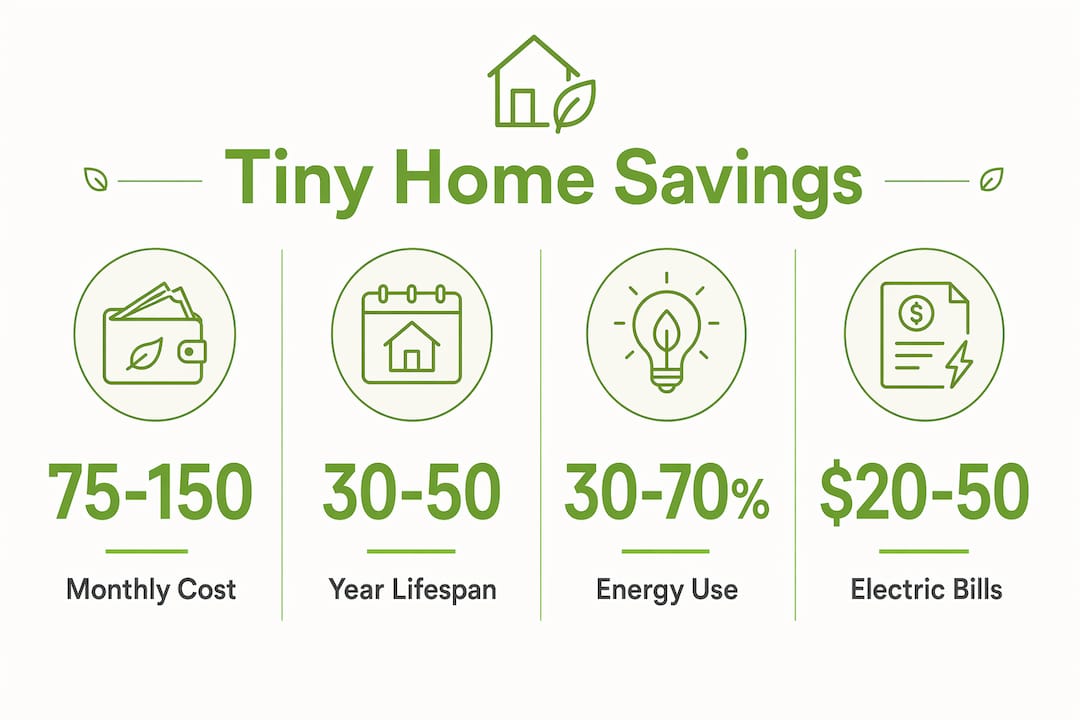
Tiny homes cost less to maintain because their smaller footprint, simplified systems, and durable construction materials reduce both repair frequency and upkeep expenses. The industry term for this advantage is reduced maintenance burden, and it applies across every system in the home. Tiny homes average $75–$150 monthly on maintenance, compared to $200–$500 for a traditional 2,000 sq ft house. That gap is not accidental. It is the direct result of having less roof, fewer plumbing lines, smaller electrical loads, and surfaces that take far less time to clean and inspect. Understanding why tiny homes cost less to maintain helps families make a confident, financially grounded decision before they downsize.
Why tiny homes cost less to maintain: size and simplified systems
The single biggest driver of affordable tiny home upkeep is physical scale. A smaller home has less of everything that breaks, wears out, or needs seasonal attention.
Fewer systems mean fewer failure points
A standard tiny home typically runs between 100 and 400 square feet. That scale shrinks the roof area, reduces the number of plumbing fixtures, and cuts the electrical circuit count significantly. Fewer circuits mean faster troubleshooting when something trips. Fewer plumbing lines mean fewer joints that can leak. A smaller roof means a faster, cheaper inspection every spring and fall.
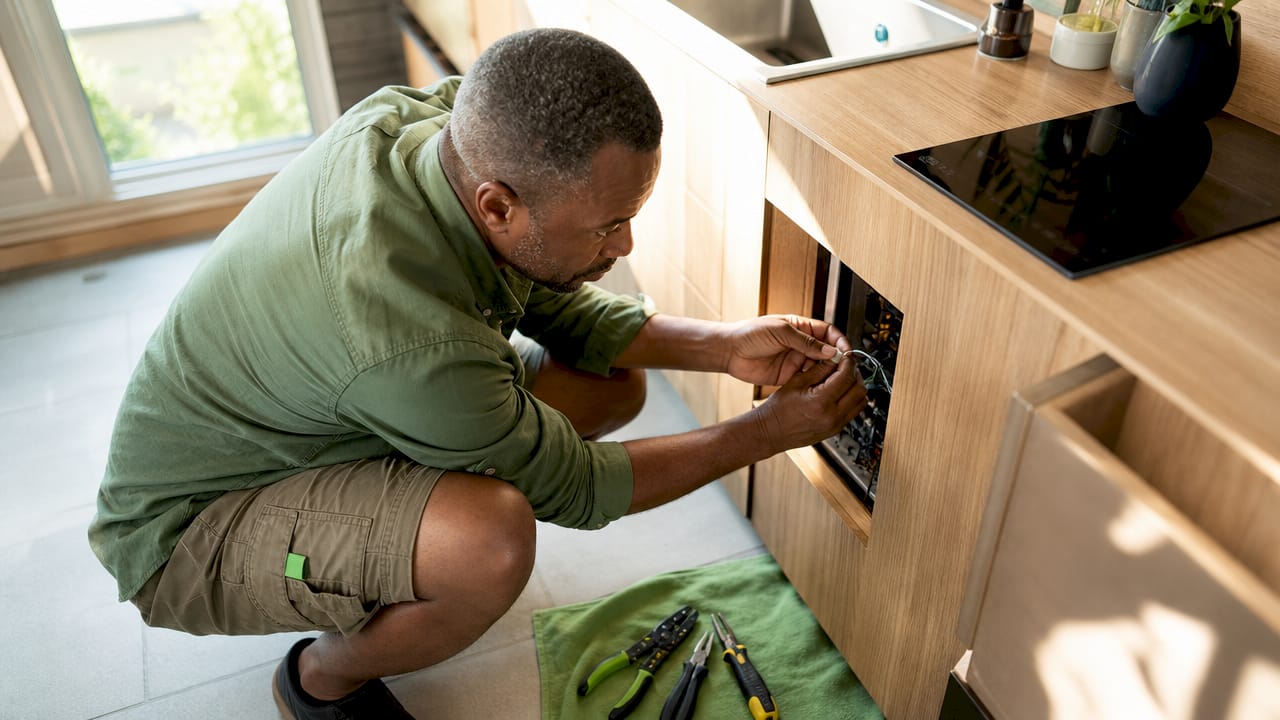
Compact electrical setups also simplify repairs. A licensed electrician charges by the hour, and a tiny home job takes a fraction of the time a full-size house requires. The same logic applies to HVAC. A single mini-split unit heats and cools the entire space, replacing the multi-zone systems that traditional homes rely on.
Less surface area, less ongoing work
Reduced surfaces translate directly into less cleaning, less painting, and less time spent on routine upkeep. A 200 sq ft home has roughly one-tenth the floor area of a 2,000 sq ft house. Scrubbing, sealing, and repainting take proportionally less time and fewer materials. That reduction compounds over years.
- Smaller roofs cost less to inspect, seal, and replace
- Fewer windows reduce caulking and weatherstripping labor
- Compact plumbing layouts cut pipe replacement costs
- Single-zone HVAC eliminates multi-unit service calls
- Reduced flooring area lowers refinishing and replacement costs
Pro Tip: Schedule a 30-minute walkthrough of every exterior seal point each spring. Catching a failed caulk line early costs a few dollars in sealant. Ignoring it can mean subfloor replacement.
Energy-efficient designs also reduce utility-related maintenance. When a heating system runs less often, it wears out more slowly. Lower runtime means longer intervals between filter changes, coil cleanings, and service calls.
How material choices affect long-term tiny house maintenance costs
Material selection is where tiny home owners either lock in long-term savings or create a cycle of repetitive repairs. The right materials pay for themselves within a few years.
Metal vs. wood and vinyl: a direct comparison
Metal siding and roofing last 30+ years with minimal upkeep, while wood siding typically requires repainting every 5–7 years and is vulnerable to rot in humid climates. Vinyl siding fades, cracks in cold weather, and warps under direct sun. Metal panels cost between $3 and $12 per square foot depending on type, but that upfront cost eliminates repetitive repainting and rot repair cycles.
| Material | Lifespan | Key maintenance need | Relative long-term cost |
|---|---|---|---|
| Metal siding/roofing | 30+ years | Occasional cleaning | Low |
| Wood siding | 10–20 years | Repainting every 5–7 years, rot treatment | High |
| Vinyl siding | 15–25 years | Fading, cracking, panel replacement | Medium |
| Fiber cement | 25–30 years | Repainting every 10–15 years | Medium |
The table shows a clear pattern. Metal materials front-load the cost and eliminate most of the recurring labor. Wood and vinyl distribute costs over time but add up faster than most owners expect.
Why avoiding rot-prone materials matters more in tiny homes
Tiny homes have less structural redundancy than large houses. A rot problem in a standard home might affect one wall section. In a tiny home, that same rot can compromise a load-bearing corner. The compact structure means damage spreads faster and repairs cost more relative to the home’s total value. Choosing metal or fiber cement from the start removes that risk entirely.
Pro Tip: If you are retrofitting an existing tiny home, prioritize replacing any wood trim around windows and doors first. Those areas collect moisture and are the most common entry point for rot.
Do tiny homes really use less energy, and does that lower maintenance?
Tiny homes consume 30–70% less energy than average houses. That reduction directly lowers wear on heating, cooling, and electrical systems, which cuts maintenance needs and costs.
Energy use and system wear: the numbers
Average electricity costs for tiny homes run $20–$50 per month, compared to roughly $130 per month for a traditional home. Lower energy draw means HVAC units cycle less often. Less cycling means fewer mechanical failures and longer service intervals.
| System | Traditional home | Tiny home | Maintenance impact |
|---|---|---|---|
| Monthly electricity cost | ~$130 | $20–$50 | Fewer high-load events, less wear |
| HVAC type | Multi-zone central | Single mini-split | One unit to service, not three |
| Mini-split lifespan | N/A | 15–20 years | Longer life with monthly filter changes |
| Roof area to maintain | 2,000+ sq ft | 100–400 sq ft | Faster, cheaper inspections |
Mini-split HVAC systems last 15–20 years with consistent monthly filter changes. Neglecting that basic task cuts the lifespan significantly and leads to expensive compressor replacements. The maintenance requirement is simple, and the payoff is a system that runs reliably for two decades.
Tiny homes built on permanent foundations can last 30–50+ years, comparable to conventional houses. That longevity depends on build quality and consistent upkeep, not on the home being small. The energy savings compound over that lifespan into a substantial financial advantage.
Practical strategies to keep tiny home upkeep affordable
Low maintenance costs do not happen automatically. They result from consistent habits and a few financial preparations that most tiny home guides skip entirely.
-
Run biannual inspections. Spring and fall inspections are the single most effective way to catch sealant failures, moisture intrusion, and minor structural issues before they become expensive. Check every exterior penetration point: vents, windows, door frames, and roof seams.
-
Control moisture aggressively. Tiny homes require proactive moisture management because a small leak can damage a significant percentage of the structure within weeks. Use a hygrometer to monitor indoor humidity. Keep it between 30% and 50%. Install a small dehumidifier if needed.
-
Build a repair sinking fund. A sinking fund covering 10–15% of the home’s value is the standard recommendation for tiny home owners. Traditional home warranties and insurance products often do not cover custom tiny homes fully. Setting aside a fixed monthly amount prevents a single plumbing or electrical repair from becoming a financial crisis.
-
Service your HVAC monthly. Change or clean the mini-split filter every 30 days. This one habit protects a system that costs several thousand dollars to replace and keeps your energy bills at their lowest point.
-
Account for land costs separately. Lot rental fees of $500–$1,000 per month can offset maintenance savings if you do not own your land. Owners who purchase land capture the full financial benefit of lower upkeep costs. Renters need to factor lot fees into their total cost comparison.
Pro Tip: Create a simple maintenance log in a notes app or spreadsheet. Record every inspection date, repair, and cost. After two years, you will have a clear picture of your actual upkeep expenses and can plan your sinking fund contributions accurately.
For owners with mobile tiny homes, add wheel bearing inspections and trailer hitch checks to the seasonal list. Those components do not exist in traditional homes and are easy to overlook until they fail on the road.
Key takeaways
Tiny homes cost less to maintain because smaller size, durable materials, and efficient energy systems work together to reduce repair frequency, lower utility bills, and cut the time spent on routine upkeep.
| Point | Details |
|---|---|
| Lower monthly costs | Tiny homes average $75–$150/month in maintenance vs. $200–$500 for traditional homes. |
| Material selection matters | Metal siding and roofing last 30+ years and eliminate repetitive repainting and rot repairs. |
| Energy savings reduce wear | Tiny homes use 30–70% less energy, which means HVAC systems cycle less and last longer. |
| Sinking fund is non-negotiable | Set aside 10–15% of home value for repairs; standard warranties rarely cover custom tiny homes. |
| Biannual inspections prevent big costs | Spring and fall checkups catch moisture and sealant failures before they become structural problems. |
What seven years of tiny home living taught me about maintenance costs
The financial case for tiny home living is real, but it comes with a condition most articles leave out. Tiny homes are not low-effort. They are lower-cost, and that distinction matters.
In a large house, a slow leak behind a wall might take months to cause visible damage. In a 200 sq ft home, that same leak can compromise the subfloor, a wall stud, and the ceiling within weeks. The compact structure that makes tiny homes affordable to maintain also makes them less forgiving when you ignore small problems. Vigilance is the price of the savings.
The owners who get the most out of tiny home living treat maintenance like a weekly habit, not an annual event. They check their sealants after heavy rain. They clean their mini-split filter on the first of every month. They keep a repair fund that they never touch for anything other than the home. That discipline is what separates a tiny home that lasts 50 years from one that needs major repairs within a decade.
The financial advantage is also not universal. Owners who rent land lots rather than own them face monthly fees that can absorb a significant portion of the maintenance savings. The math still works for many families, but it requires an honest accounting of all costs, not just the upkeep line.
Tiny home living rewards preparation and punishes neglect faster than any other housing format. Get those two things right, and the savings are genuine and lasting.
— Gridwise
Gridwiseliving’s solutions for low-maintenance tiny home living
Choosing the right materials and energy systems from the start is the most effective way to reduce long-term upkeep costs. Gridwiseliving builds its expandable tiny homes around that principle, using durable construction designed to minimize the repair cycles that drain traditional homeowners every year.

Gridwiseliving’s tiny home collection pairs low-maintenance structures with off-grid energy options that reduce system strain and utility bills simultaneously. For families ready to cut their dependence on the grid, the off-grid power resources at Gridwiseliving cover solar and backup power setups that fit the compact energy needs of tiny home living. Durable materials, efficient energy systems, and practical design choices are available in one place for families serious about sustainable downsizing.
FAQ
What is the average monthly maintenance cost for a tiny home?
Tiny homes average $75–$150 per month in maintenance costs, compared to $200–$500 for a traditional 2,000 sq ft house. The gap comes from smaller surface areas, fewer systems, and simpler infrastructure.
How long does a well-built tiny home last?
A well-built tiny home on a permanent foundation lasts 30–50+ years, comparable to a conventional house. Build quality and consistent maintenance are the primary factors that determine lifespan.
What materials reduce tiny home maintenance costs the most?
Metal siding and roofing deliver the greatest long-term savings. Metal panels last 30+ years with minimal upkeep, eliminating the repainting and rot repair cycles that wood and vinyl require.
Do tiny homes really save money on energy bills?
Tiny homes use 30–70% less energy than average houses, with monthly electricity costs of $20–$50 compared to roughly $130 for a traditional home. Lower energy use reduces wear on HVAC and electrical systems, which cuts maintenance frequency.
How much should I save in a repair sinking fund for a tiny home?
A sinking fund of 10–15% of the home’s value is the standard recommendation. Custom tiny homes often lack full warranty coverage, so a dedicated repair fund protects against unexpected plumbing, electrical, or structural costs.