

Low-Cost Sustainable Upgrades for Every Home
Low-cost sustainable upgrades are practical home improvements that cut energy and water use while paying back their cost quickly. The best examples of low-cost sustainable upgrades include LED lighting, air sealing, weatherstripping, smart thermostats, and water-saving fixtures. These changes are accessible to both homeowners and renters, require little or no professional help, and deliver real savings within months. Gridwiseliving recommends starting with these high-impact, budget-friendly projects before moving to larger investments like solar systems or insulation.
1. What are the fastest payback low-cost sustainable upgrades?
The three fastest-payback affordable green upgrades are LED lighting, air sealing, and smart thermostats. Each one targets a different source of waste in your home, and together they can cut your utility bills significantly within the first year.
LED lighting
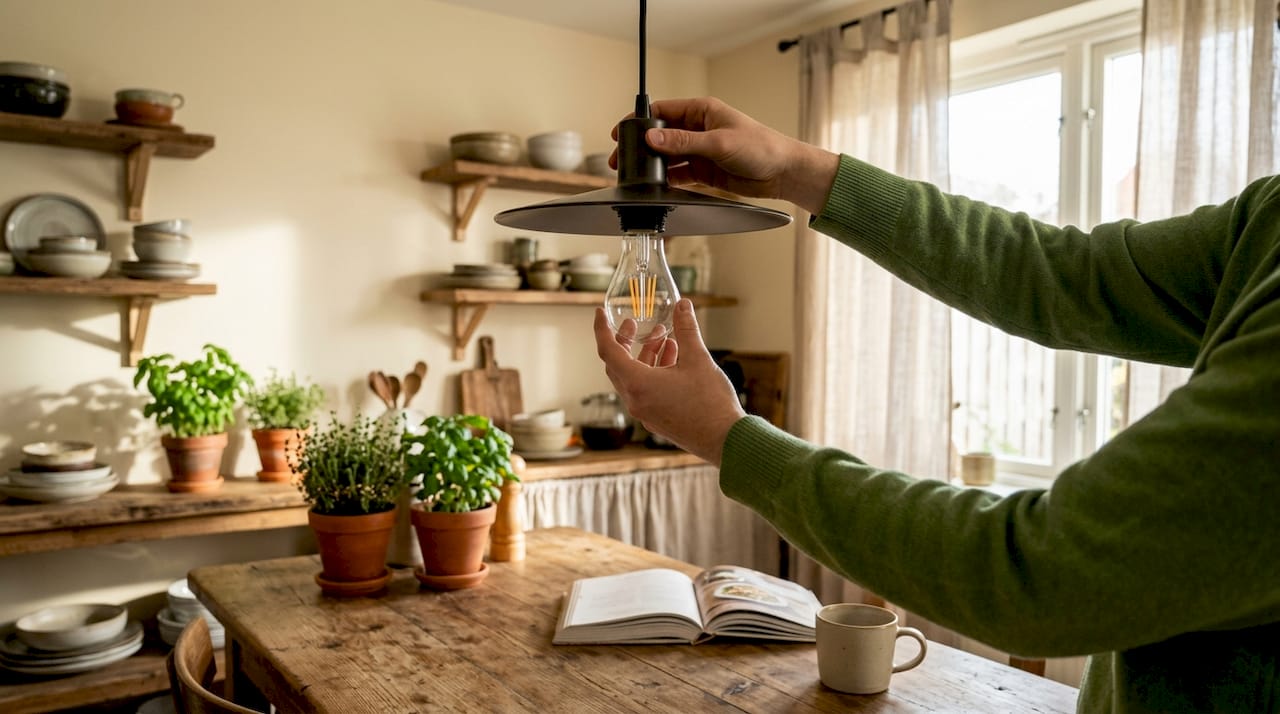
Switching every bulb in your home to LED is the single fastest sustainable renovation idea you can act on today. LED lighting saves 75–85% of lighting energy and pays back within 2–6 months for a full home conversion. A typical household saves about $225 annually, with total retrofit costs running $100–$400. That math is hard to argue with.
Air sealing and weatherstripping
Air sealing is the most underrated cheap eco-friendly improvement available. The U.S. Department of Energy estimates that 30% of heat loss in a typical home escapes through gaps and cracks. Sealing those gaps with caulk and weatherstripping reduces heating and cooling costs by 15–30%, and materials cost just $30–$200. Weatherstripping and caulking cost under $30 per door or window and pay back within weeks to months. You can complete a full door and window seal in a single weekend.
Pro Tip: Run your hand along door frames and window edges on a windy day. Any draft you feel is money leaving your home. Seal it with foam tape or V-strip weatherstripping before anything else.
Smart thermostats
A smart thermostat learns your schedule and adjusts heating and cooling automatically. Smart thermostats save 10–15% on heating and cooling bills, which translates to $155–$237 annually for most households. The devices cost $150–$250, but utility rebates of $50–$100 are common through ENERGY STAR programs. That brings the payback window down to 8–18 months in most cases.
- LED bulbs: $100–$400 total, saves ~$225/year, payback 2–6 months
- Air sealing: $30–$200, saves 15–30% on HVAC costs, payback in weeks
- Smart thermostat: $150–$250 (before rebates), saves $155–$237/year, payback 8–18 months
2. How do water-saving fixtures cut bills and help the environment?
Water-saving fixtures are among the most cost-effective environmentally friendly upgrades available. They reduce both water consumption and the energy needed to heat that water, which means savings show up on two utility bills at once.
EPA WaterSense faucet aerators are the cheapest place to start. They cost just $5–$15 and save 30% on sink water usage. Low-flow showerheads save $70–$100 annually and typically pay back within 1–3 years. These are renter-friendly upgrades because they screw on and off without tools.
Leaks are a hidden drain on both water and money. A dripping faucet wastes 3,000 gallons per year, and a running toilet can waste 200 gallons per day. Fixing a leaky faucet with a $3 washer replacement is the highest-return repair in any home. Addressing leaks before buying new fixtures maximizes the impact of every dollar you spend.
- WaterSense faucet aerators: $5–$15, saves 30% on sink water use
- Low-flow showerheads: $20–$50, saves $70–$100/year
- Leak repairs: under $10 in parts, eliminates thousands of gallons of annual waste
- Dual-flush toilet conversion kits: $20–$30, reduces flush volume by up to 50%
3. What medium-term upgrades build on your early savings?
Once your quick wins are in place, the next tier of inexpensive eco upgrades delivers deeper savings over a 3–7 year window. These projects cost more upfront but compound the efficiency gains from your earlier work.
Attic insulation
Attic insulation is the best mid-tier upgrade for energy savings. Attic insulation costs $1,500–$3,500 and reduces heating and cooling energy use by 15–25%. The payback period runs 3–7 years, but state utility rebates can compress that timeline significantly. Insulation also makes your home more comfortable year-round, which is a benefit that does not show up on a utility bill but you feel every day.
Window film and weatherstripping upgrades
Full window replacement costs thousands of dollars. Window film is a fraction of that cost and blocks solar heat gain in summer while retaining warmth in winter. Applied correctly, window film can reduce solar heat gain by up to 70% without replacing the glass. Pair it with upgraded weatherstripping on older frames and you get most of the benefit of new windows at a small fraction of the price.
ENERGY STAR appliances
Replacing old appliances with ENERGY STAR models is a budget-friendly sustainability project with a moderate payback. New ENERGY STAR washers use 25% less energy and 33% less water than older models. The savings are not dramatic on their own, but they stack on top of the efficiency gains from your earlier upgrades.
Pro Tip: Time appliance purchases around federal tax credits and utility rebates. The Inflation Reduction Act includes credits for qualifying ENERGY STAR appliances that can reduce your net cost by hundreds of dollars.
| Upgrade | Typical Cost | Energy/Water Savings | Payback Period |
|---|---|---|---|
| Attic insulation | $1,500–$3,500 | 15–25% on HVAC | 3–7 years |
| Window film | $100–$400 | Up to 70% solar heat reduction | 1–3 years |
| ENERGY STAR washer | $600–$1,200 | 25% energy, 33% water | 4–8 years |
4. How to sequence sustainable upgrades for the best results
Sequencing upgrades correctly is the strategy most homeowners skip. The order you choose determines how fast your savings compound and how much you spend overall.
Building envelope improvements should always come before premium systems like solar panels or heat pumps. A leaky, poorly insulated home wastes much of the energy a solar system produces. Fix the envelope first, then the solar system you install will be smaller and cheaper.
Here is the phased approach that delivers the best financial and environmental results:
- Phase 1 (Weeks 1–4): Replace all bulbs with LEDs, seal air leaks with caulk and weatherstripping, fix all leaks, and install WaterSense aerators. Total cost: under $500 for most homes.
- Phase 2 (Months 2–12): Install a smart thermostat, add low-flow showerheads, and upgrade to a dual-flush toilet kit. Use savings from Phase 1 to fund these purchases.
- Phase 3 (Year 1–3): Add attic insulation, apply window film, and replace the oldest appliances with ENERGY STAR models. Rebates and tax credits offset a meaningful portion of these costs.
- Phase 4 (Year 3+): Invest in solar energy systems or other major upgrades. By this point, your reduced energy load means you need a smaller, less expensive system.
Sequencing upgrades starting with low-cost air sealing and lighting builds a capital fund from utility savings to reinvest in insulation and appliances, avoiding premature high upfront investments.
Passive design strategies like strategic shading, cross-ventilation, and window orientation cost nothing and can reduce energy bills by 20–30%. These are especially useful for renters who cannot make structural changes. Closing blinds on south-facing windows in summer and opening windows on opposite sides of the home for cross-ventilation are zero-cost moves that work immediately. For more ideas on how self-sufficient home living reduces long-term costs, the principles apply at every budget level.
Key takeaways
The most effective low-cost sustainable upgrades follow a clear sequence: seal the building envelope first, then add smart controls, then upgrade appliances, and finally invest in major systems.
| Point | Details |
|---|---|
| Start with air sealing | Weatherstripping and caulk cost under $200 and cut HVAC costs by 15–30%. |
| Switch to LEDs immediately | A full home LED conversion saves ~$225/year and pays back in 2–6 months. |
| Fix leaks before buying fixtures | A dripping faucet wastes 3,000 gallons/year; a $3 washer repair fixes it. |
| Sequence upgrades by payback speed | Phase 1 savings fund Phase 2 and Phase 3 purchases without new debt. |
| Use rebates to cut payback time | ENERGY STAR and utility rebates reduce smart thermostat and insulation costs significantly. |
Why simple upgrades beat big investments every time
The conventional advice pushes homeowners toward solar panels and heat pumps as the headline sustainability moves. My experience tells a different story. The homes that achieve the greatest efficiency gains start with the boring stuff: a tube of caulk, a pack of LED bulbs, and a $10 faucet aerator.
Air sealing is the upgrade I see skipped most often, and it is the one with the fastest payback of anything on this list. A home that leaks air is like trying to heat a room with the window open. No amount of solar capacity fixes that problem.
Renters often assume sustainable upgrades are out of reach. That is not true. WaterSense aerators, LED bulbs, and weatherstripping tape are all renter-friendly, portable, and reversible. You can take them with you when you move. The minimalist home design principle of reducing what you consume before adding new systems applies directly here.
The sequencing strategy is the insight most articles leave out. Every dollar you save on your utility bill in Phase 1 is a dollar available for Phase 2. You are not waiting for a windfall. You are building a fund from your own waste reduction.
— Gridwise
Gridwiseliving’s solutions for sustainable home living
Gridwiseliving builds products for homeowners who want real independence from rising utility costs and unreliable supply chains. The product range covers the full arc of sustainable living, from growing your own food to generating your own power.
If you are ready to move beyond the basics, Gridwiseliving’s greenhouse collection gives you a controlled growing environment that extends your season and reduces your grocery bill year-round. For homeowners thinking about energy independence, the solar energy systems catalog includes off-grid kits sized for every home. Every product is selected for durability and practical use, not novelty. Gridwiseliving makes it straightforward to take the next step after your low-cost upgrades are complete.
FAQ
What are the cheapest sustainable upgrades to start with?
LED bulb replacements, faucet aerators, and weatherstripping are the cheapest starting points. Combined, they cost under $200 and deliver measurable savings within the first billing cycle.
Can renters make sustainable home upgrades?
Renters can install LED bulbs, WaterSense faucet aerators, low-flow showerheads, and weatherstripping tape without landlord approval in most cases. These upgrades are reversible and portable, so you take the savings with you when you move.
How much can air sealing actually save?
The U.S. Department of Energy estimates that air sealing reduces heating and cooling costs by 15–30%. Materials cost $30–$200, making it the highest-return upgrade available to most homeowners.
Do smart thermostats qualify for rebates?
Many utility companies and ENERGY STAR programs offer rebates of $50–$100 on qualifying smart thermostats. Check your local utility’s website or the ENERGY STAR rebate finder for programs in your area.
Is attic insulation worth the cost for a mid-tier upgrade?
Attic insulation costs $1,500–$3,500 and reduces energy use by 15–25%, with a payback period of 3–7 years. State utility rebates can shorten that window, making it one of the best medium-term investments for homeowners.