

Container Gardening for Small Spaces: 2026 Guide
Container gardening in small spaces is the practice of growing food and plants in appropriately sized pots, planters, and vertical systems to maximize limited urban areas. A standard apartment balcony measuring 4x8 feet can produce 15–40 pounds of fresh vegetables and herbs in a single growing season. That output is real food on your table, not just decoration. The key is matching the right containers to the right plants, then arranging everything to capture your available light. This guide covers exactly how to do that, from pot sizing to vertical layouts to daily care.
What container sizes work best for small-space gardening?
Container size is the single most important decision you make before planting. An undersized pot cramps roots, spikes water stress, and cuts your yield before the season even starts.
The minimum depths break down clearly by plant type:
| Plant Type | Minimum Depth | Minimum Volume |
|---|---|---|
| Herbs and salad greens | 6–8 inches | 1–2 gallons |
| Bush beans and peppers | 12 inches | 5 gallons |
| Tomatoes and eggplant | 15–20 inches | 15–20 gallons |
These container depth requirements are not suggestions. A tomato plant forced into a 5-gallon pot will survive but produce a fraction of what it could in a 15-gallon container. Bigger pots also hold moisture longer, which matters on a hot balcony in july.
Choosing the right container material
Fabric grow bags are the best choice for most apartment gardeners. They air-prune roots naturally, which prevents the root circling that kills plants in rigid plastic pots. Plastic and resin containers are lighter than ceramic and work well for herbs and greens. Avoid unglazed terra cotta on windy balconies because it dries out extremely fast.
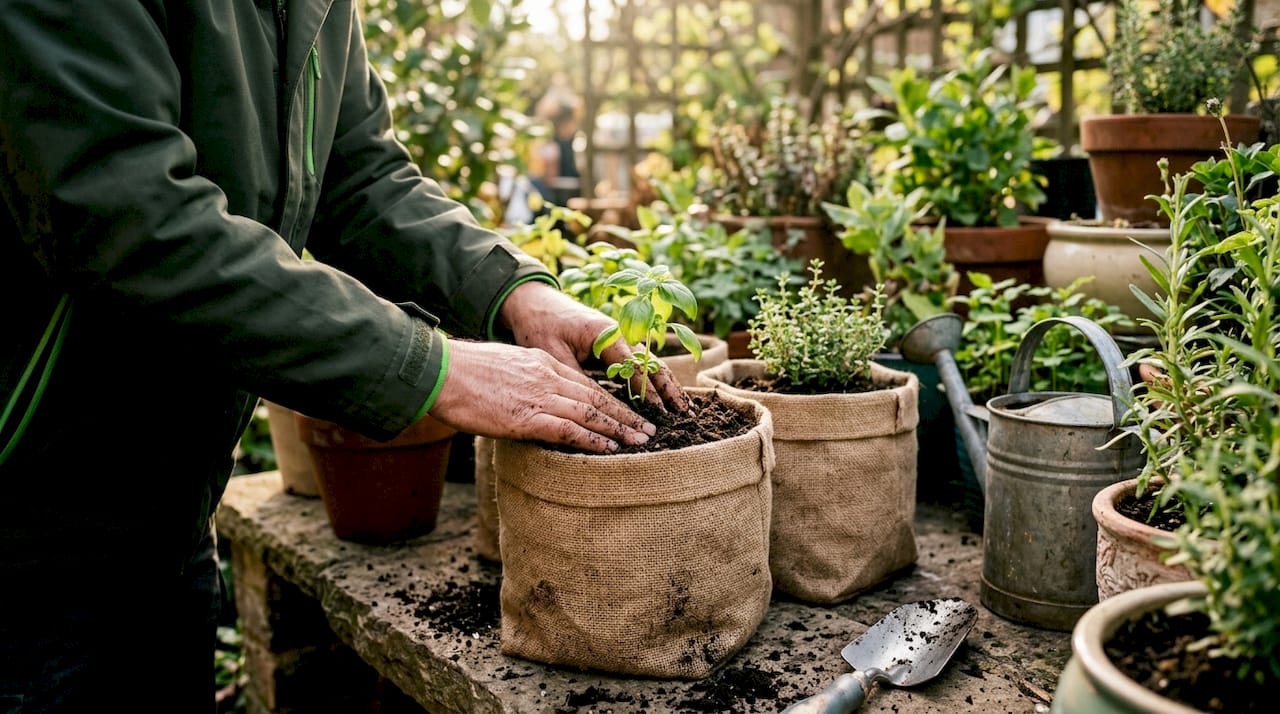
Drainage holes are non-negotiable. Poor drainage causes root rot, and root rot is the leading cause of container plant failure. If you love a decorative pot without holes, use it as a sleeve around a drilled inner pot.
What soil should you use?
Never fill containers with garden soil. Garden soil is too dense and often carries weed seeds. Use a light, high-quality bagged potting mix labeled specifically for containers. These mixes include perlite or vermiculite for drainage and aeration, which roots need to thrive in a confined space.
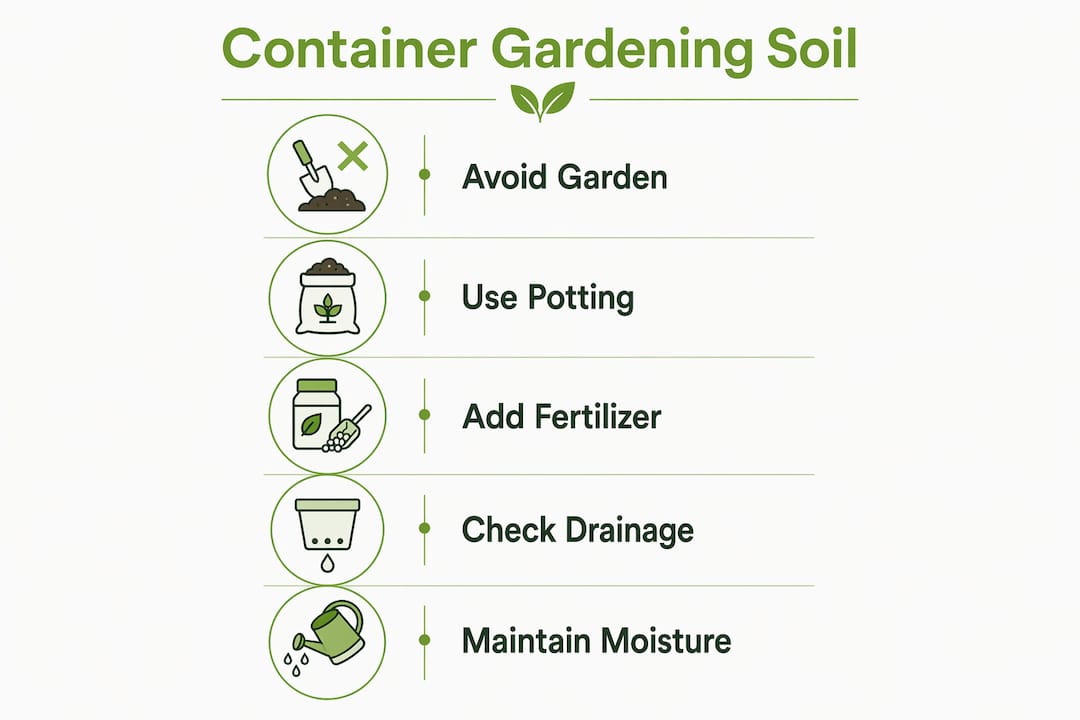
Pro Tip: Add a slow-release granular fertilizer to your potting mix at planting time. Container plants exhaust nutrients faster than in-ground plants because watering flushes them out regularly.
How to choose plants based on your balcony’s light
Light is the variable most apartment gardeners underestimate. Before buying a single seed, spend two or three days tracking how many hours of direct sun your balcony receives.
Full sun: 6 or more hours of direct sunlight
Full-sun balconies give you the widest selection of edible plants. The best performers include:
- Tomatoes (cherry and determinate varieties like Patio or Tumbling Tom)
- Peppers (sweet bell and hot varieties)
- Cucumbers (bush types like Spacemaster)
- Zucchini (compact varieties like Patio Star)
- Basil, rosemary, and thyme
Partial sun: 3–6 hours of direct sunlight
Partial sun suits leafy crops and most herbs well. Good choices include:
- Lettuce, spinach, and arugula
- Kale and Swiss chard
- Parsley, cilantro, and mint
- Bush beans (with at least 4 hours of sun)
Low light: fewer than 3 hours of direct sunlight
Low-light balconies limit your options but do not eliminate them. Focus on:
- Mint and chives
- Microgreens grown in shallow trays
- Sprouts (no sunlight required at all)
Grouping plants by their sun needs simplifies your care routine. Plants with the same light requirements can share a watering schedule and fertilizer routine. Tiered stands and ladder shelves let you position sun-hungry plants on the top levels where light is strongest, while shade-tolerant herbs sit below.
Pro Tip: Rotate your containers a quarter turn every week. This prevents plants from leaning toward the light source and keeps growth even on all sides.
What are the best layout techniques for small container gardens?
Vertical layering is the most effective way to multiply your growing space without adding floor clutter. Ladder shelves, rail planters, and tiered stands can triple your growing capacity without increasing your floor footprint. That means a 32-square-foot balcony effectively becomes a 96-square-foot growing area when you use all three dimensions.
A 2-tier cedar ladder planter is a practical starting point for most balconies. It holds multiple containers at different heights, keeps everything organized, and looks clean rather than cluttered.
Vertical and spatial strategies that work
- Rail planters: Attach to balcony railings to use dead space. Ideal for herbs, strawberries, and trailing plants.
- Hanging baskets: Suspend from ceiling hooks or overhead beams for cherry tomatoes and herbs.
- Tiered stands: Stack three to four levels of pots in the footprint of one. A 3-tier cedar standing planter works well for herbs and greens.
- Corner clusters: Group three to five containers in a corner to create a visual focal point and improve airflow between plants.
Airflow matters more than most gardeners realize. Maintaining a clear 24-inch walking path between container groupings keeps air moving and reduces fungal disease. It also makes watering and harvesting easier without knocking pots over.
Renter-friendly mounting solutions
If you rent, avoid drilling into walls or railings. Freestanding ladder shelves and weighted rail hooks require no permanent installation. Tension-mounted systems work for some balcony railings. Always check your lease before mounting anything, and confirm your balcony’s weight limit with your building manager before adding heavy containers.
Pro Tip: Wet soil is heavy. A 15-gallon container filled with moist potting mix can weigh 50 pounds or more. Distribute weight evenly across your balcony floor, keeping the heaviest pots near load-bearing walls or structural supports.
How do you maintain a container garden in a small urban space?
Consistent watering is the hardest part of urban container gardening. Container plants dry out significantly faster than in-ground plants because air surrounds the pot on all sides. In summer heat, small pots may need water every single day.
Follow this maintenance routine to keep plants healthy:
- Check moisture daily. Push your finger one inch into the soil. If it feels dry, water thoroughly until it drains from the bottom.
- Water deeply, not lightly. Shallow watering encourages roots to stay near the surface, making plants more vulnerable to heat stress.
- Use self-watering containers for busy schedules. Self-watering pots extend the watering interval to every 3–5 days by drawing moisture up from a reservoir.
- Mulch the soil surface. A thin layer of straw or wood chips slows evaporation and keeps roots cooler.
- Prune regularly. Remove dead leaves and spent flowers to direct energy toward new growth and fruit production.
“The biggest mistake new container gardeners make is treating their pots like in-ground beds. Containers are a different system. They need more water, more feeding, and more attention to drainage. Get those three things right and the plants will take care of themselves.”
Pest management in small spaces is straightforward. Inspect plants every time you water. Aphids, spider mites, and whiteflies are the most common problems on balconies. A strong spray of water knocks most pests off leaves. Neem oil spray handles persistent infestations without harsh chemicals.
Avoid overcrowding. Planting too many seedlings in one pot creates root competition and reduces air circulation. Follow the spacing recommendations on seed packets, even when it feels wasteful.
Key Takeaways
Container gardening in small urban spaces succeeds when you match container size to plant needs, use vertical layering to multiply growing area, and water consistently with proper drainage in place.
| Point | Details |
|---|---|
| Match pot size to plant type | Herbs need 6–8 inch depth; tomatoes need 15–20 gallon containers to produce well. |
| Drainage prevents failure | All containers must have drainage holes; root rot from sitting water is the top cause of plant death. |
| Vertical layering triples space | Ladder shelves and tiered stands multiply growing capacity without adding floor footprint. |
| Water daily in summer | Container soil dries 2–3 times faster than ground soil; self-watering pots extend intervals to 3–5 days. |
| Start with 3–5 containers | Beginning with a small, manageable setup builds confidence and simplifies care for new gardeners. |
What I’ve learned from years of growing food on small balconies
Most people overthink their first container garden. They buy 20 small pots, fill them with garden soil, and wonder why everything dies by july. The truth is that starting with 3–5 plants matched to your actual light conditions beats an ambitious setup that collapses under its own complexity.
The advice I give every new urban gardener is this: spend one week just watching your balcony before buying anything. Note where the sun hits in the morning versus the afternoon. Notice which corners stay shaded. That observation changes every plant decision you make afterward.
Balcony gardening also rewards patience with beauty. A tiered cedar planter loaded with basil, cherry tomatoes, and trailing nasturtiums looks genuinely stunning. You do not have to choose between productive and attractive. The best small-space gardens are both.
The one thing most guides skip is the emotional payoff. Harvesting a handful of cherry tomatoes you grew yourself on a 40-square-foot balcony feels disproportionately satisfying. That feeling is what keeps you going through the learning curve.
— Gridwise
Gridwiseliving products built for small-space growing
Growing food in a small space gets easier with the right equipment behind you. Gridwiseliving carries a range of garden beds and planters designed specifically for compact urban setups, from tiered cedar ladder planters to modular raised bed kits that fit balconies and patios without wasted space.
For gardeners ready to extend their growing season or protect plants from harsh weather, the Bella DIY greenhouse kit offers a compact, freestanding solution that works alongside container setups. Gridwiseliving also stocks a full selection of greenhouses for urban growers who want year-round production. Every product is chosen for durability and practical use, not just appearance.
FAQ
What is the minimum balcony size for container gardening?
A 4x8-foot balcony is enough to grow a productive container garden. With vertical layering, that space can yield 15–40 pounds of produce per season.
What vegetables grow best in containers on a small balcony?
Cherry tomatoes, lettuce, herbs, peppers, and bush beans all perform well in containers. Match your plant choice to your available sunlight for the best results.
How often should I water container plants in summer?
Water container plants daily in summer heat, or every 3–5 days if you use self-watering containers. Check soil moisture one inch below the surface before each watering.
Can I use regular garden soil in containers?
No. Garden soil is too dense for containers and often carries weed seeds. Use a light bagged potting mix formulated for container growing to get proper drainage and root health.
How do I maximize growing space on a small balcony?
Use vertical solutions like ladder shelves, rail planters, and tiered stands. These techniques can triple your growing capacity without increasing your floor footprint.
Recommended
- 2-Tier Vertical Cedar Ladder Planter Box for Small Spaces – Gridwise Living
- Wally 32 – Hydroponic Vertical System for Growing 32 Greens and Fruits – Gridwise Living
- Cedar Raised Garden Bed with Greenhouse Cover – Gridwise Living
- Harmony 6 Ft. X 6 Ft. Silver/Clear DIY Greenhouse Kit – Gridwise Living