

Reduce Household Waste and Save Money This Year
Cut household waste and lower your bills by targeting food waste first, treating trash service like a negotiable utility, and adding one low-cost project before spending on anything bigger. Most homeowners can save $500–$1,500 annually just by changing how they buy and store food. Add smarter bin management and a simple compost setup, and you’re looking at real, recurring savings with minimal upfront cost.
The U.S. EPA identifies preventing food waste at home as one of the most powerful actions a household can take, both financially and environmentally. Gridwiseliving backs that same logic with practical tools: greenhouses, solar kits, and growing supplies that let you extend those savings further once the low-hanging fruit is gone.
Priority actions to start this week:
- Audit your fridge and pantry; throw out nothing until you’ve used what’s there
- Check your trash bill for bin size and pickup frequency you’re not using
- Fix any dripping faucets or running toilets
- Set up a simple compost container (countertop or backyard)
- Track your utility bills for 30–90 days before buying any upgrades
Table of Contents
- How to reduce household waste and save money starting this weekend
- Cut food waste fast and start growing useful food at home
- From disposables to durable: reuse, repair, and smarter buying
- Treat trash and recycling as a negotiable utility: audit and optimize
- Energy and water: immediate savings and when to add renewables
- Budgeted mini-project plans: compost, raised beds, greenhouse, rain barrel, solar
- How to prioritize upgrades and build a 12–24 month plan
- Common barriers and quick fixes
- Key Takeaways
- A short note from Gridwise on practical self-reliance
- Gridwiseliving products that match this guide
- Useful sources and official resources
How to reduce household waste and save money starting this weekend
You don’t need a major overhaul. Five small actions this weekend can cut recurring costs immediately.
- Fridge and pantry audit. Pull everything forward. Anything close to expiring goes on the “eat first” shelf. This one habit alone prevents the most common form of household waste: food you forgot you had.
- One-week food-first rule. Cook only from what you already own before your next grocery run. Most households have 3–5 days of meals hiding in cabinets.
- Switch paper towels to reusable cloths. A pack of microfiber cloths costs under $10 and replaces dozens of paper towel rolls per year.
- Fix small leaks. A dripping faucet wastes thousands of gallons annually. Replacing a worn washer takes 15 minutes and costs almost nothing.
- Set thermostat schedules. Drop the temperature 7–10°F overnight or when you’re away. The Department of Energy estimates this saves up to 10% on heating and cooling annually.
- Compress soft plastics. Flatten bags and film wrap before binning them. This alone can delay bin upsizing fees.
Pro Tip: Before buying any eco-product, track your baseline bills for 1–3 months. You’ll find the actual leaks instead of guessing, and you’ll avoid spending money on tools that don’t address your real problem.
Cut food waste fast and start growing useful food at home
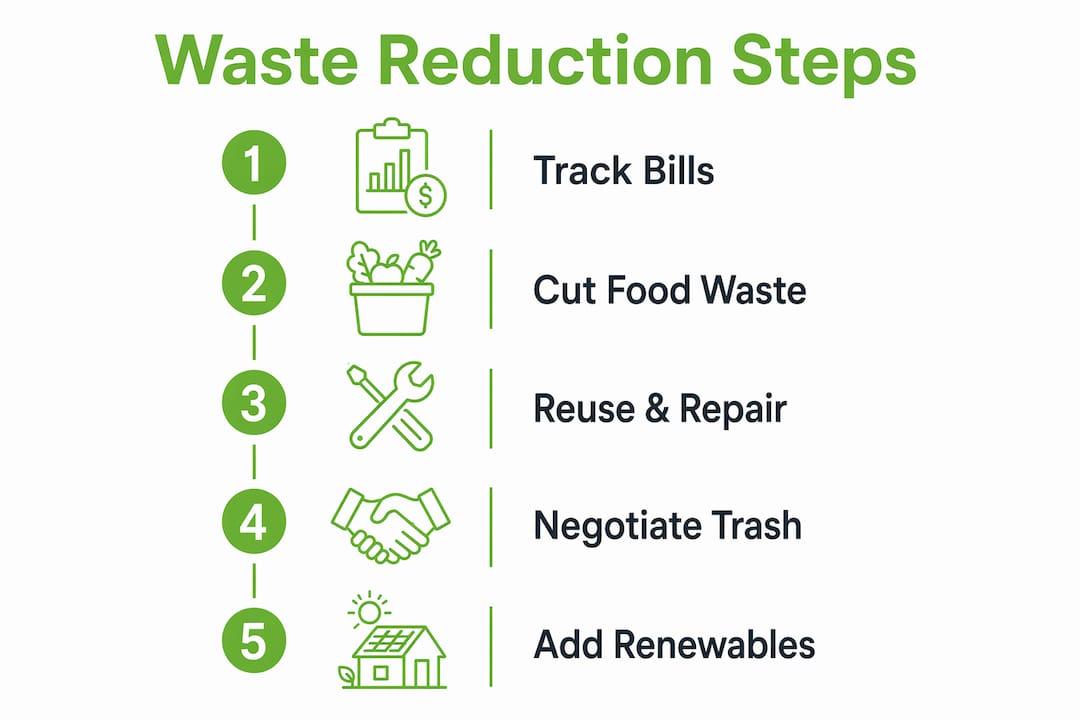
Food waste fixes combined with basic home growing deliver the biggest single-dollar savings for most homeowners. The math is straightforward: stop throwing away food you paid for, then replace some of what you buy with food you grow.
Practical steps to stop wasting food:
- Meal plan for 5–7 days before each grocery trip; buy only what the plan requires
- Use FIFO (first in, first out) in your pantry: newer items go to the back
- Freeze bread, meat, and leftovers before they go bad, not after
- Learn two or three basic preservation methods: pickling cucumbers takes 20 minutes and extends shelf life by months
- Compost what you can’t eat rather than trashing it
Best crops for fast grocery savings:
Herbs (basil, cilantro, mint) cost $3–$5 per bunch at the store and grow in a windowsill pot for pennies. Salad greens and microgreens mature in 10–21 days and can be cut-and-come-again for weeks. Tomatoes and peppers take more space but deliver high value per square foot in a raised bed or container.
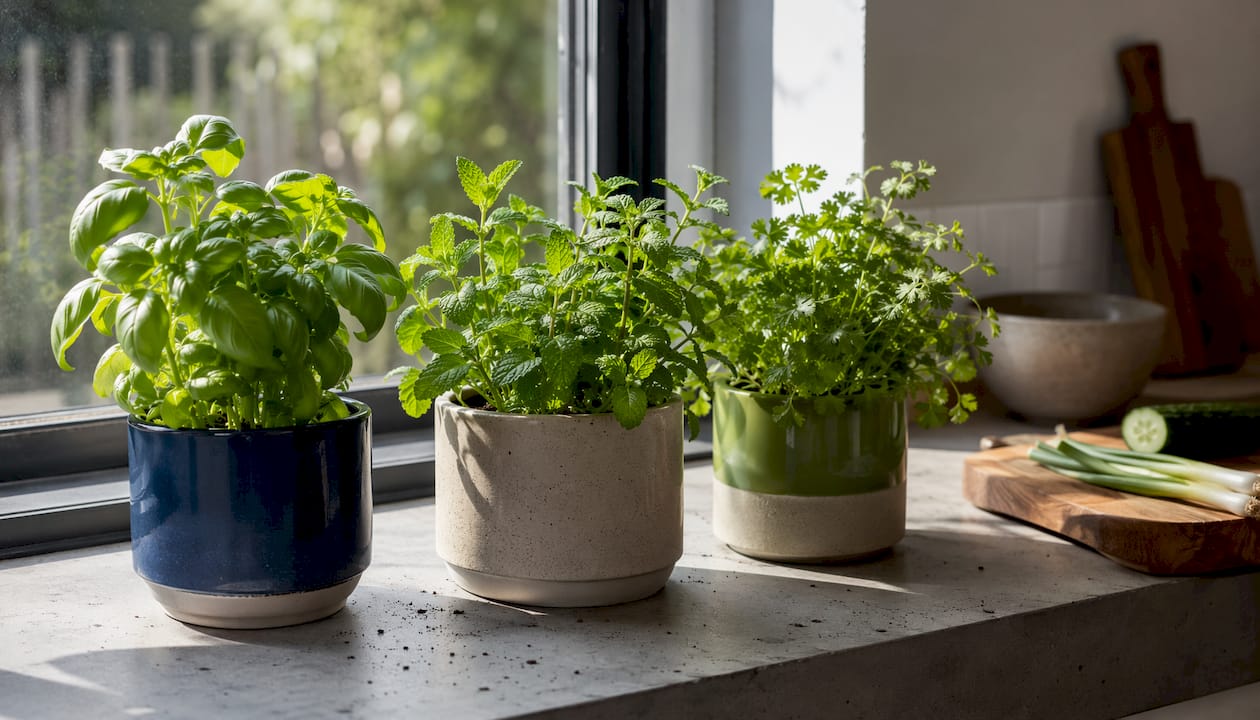
A modest home garden combined with reduced food waste can realistically save a household $500–$1,500 per year, depending on what you grow and how much food you currently discard. Home gardens reduce grocery expenses most when matched to what your household actually eats.
Compost method comparison:
| Method | Startup Cost | Time to Compost | Best For |
|---|---|---|---|
| Cold bin (backyard) | — | 3–6 months | Low effort, large volume |
| Hot compost (turning) | — | 4–8 weeks | Faster output, more work |
| Worm bin (vermicompost) | $30–$50 | 2–3 months | Small spaces, indoor use |
A greenhouse extends your growing season by 6–8 weeks on each end, which matters if you’re in a northern climate. It’s worth the cost once you’re already growing consistently and want to push yields higher.
From disposables to durable: reuse, repair, and smarter buying
Finishing what you have and repairing before replacing beats any eco-swap for both waste reduction and budget. Zero-waste wholesale replacement is one of the fastest ways to overspend on sustainability.
Before any purchase, run through five quick questions: Can I repair it? Can I reuse something I already own? Can I borrow or rent it? Can I delay this purchase? Do I actually need it?
High-payback swaps worth making:
- Reusable water bottle: replaces $1,000+ in bottled water over a few years
- Reusable produce bags and beeswax wraps: eliminate recurring plastic bag purchases
- Concentrated or refillable cleaning products: cost 30–50% less per use than single-use bottles
- A basic sewing kit: extends the life of clothing and costs under $15
The “finish what you have” rule is especially powerful for cleaning supplies and personal care products. Most households have months of product already on hand. Using it up before buying replacements costs nothing and reduces waste immediately.
Pro Tip: Good home organization systems prevent duplicate purchases. When you can see what you own, you stop buying a third bottle of dish soap because you couldn’t find the second one.
Treat trash and recycling as a negotiable utility: audit and optimize
Sorting and managing volume are the primary levers to cut trash service costs. Volume and contamination drive bin upgrades and overage fees; address those first before negotiating anything.
30-day audit steps:
- Note how full your bin is at each pickup for four weeks
- Log any contamination events (recycling rejected, overflow bags)
- Pull your bill and identify every line item: bin size, pickup frequency, fuel surcharges, cart fees
- Check your provider’s website for smaller bin tiers or reduced-frequency options
Negotiation checklist:
- Ask about downsizing from a 96-gallon to a 64-gallon or 32-gallon bin
- Request bi-weekly pickup if you rarely fill the bin weekly
- Ask about bundled recycling and yard waste discounts
- Inquire about seasonal or shared-service options in your area
Switching to a smaller bin can save a noticeable amount per year for many households. Many municipalities also offer curbside compost or drop-off programs that reduce your trash volume without any extra cost.
Energy and water: immediate savings and when to add renewables
Low-cost efficiency upgrades pay back fastest, and renewables make financial sense once you’ve captured the easy wins and have a clear picture of your household load.
Fast-payback efficiency moves:
- LED bulbs: use 75% less energy than incandescent and last years longer
- Smart thermostat: $25–$50 for a basic programmable model; pays back in one heating season
- Low-flow showerheads and faucet aerators: $10–$30 each; reduce water heating costs
- Weather stripping on doors and windows: $5–$20 per door; stops drafts immediately
When does solar make sense? Add a portable or rooftop solar kit when your monthly electric bill exceeds $100, you have outage concerns, or available federal and state rebates bring the payback period under five years. The federal residential clean energy credit currently covers 30% of installation costs for qualifying systems. Portable solar kits are a lower-commitment starting point if you want to test the technology before committing to a rooftop install.
Pro Tip: Check low-cost sustainable upgrade options before pricing any major energy project. Passive strategies like natural ventilation and insulation often deliver better payback than solar at the early stages.
Budgeted mini-project plans: compost, raised beds, greenhouse, rain barrel, solar
Choose the project that targets your biggest recurring cost driver. If food waste is your main problem, start with a compost bin or raised bed. If energy costs dominate, look at a basic solar kit.
| Project | Materials Cost | Setup Time | Est. Annual Savings | Payback |
|---|---|---|---|---|
| Compost bin | — | 1–2 hours | $50–$150 (reduced trash + soil) | Under 1 year |
| Raised bed (4x8 ft) | $50–$150 | 1 weekend | $400 (groceries) | 1 season |
| Basic greenhouse kit | $300–$800 | 1–2 weekends | $300–$500 (extended season) | 1–2 years |
| Rain barrel (50 gal) | $30–$100 | 2–3 hours | $50–$100 (water bills) | 1 year |
| Portable solar kit (100W) | $150–$300 | 2–4 hours | $50–$150 (backup/offset) | 2–4 years |
A raised bed paired with a home greenhouse is the combination that delivers the most consistent grocery savings over time, especially in climates with short growing seasons.
How to prioritize upgrades and build a 12–24 month plan
Low-cost, high-impact actions first. Medium-term projects with rebates second. Expensive upgrades only when you have a clear ROI target.
Prioritization matrix:
| Action | Cost | Impact | When to Do It |
|---|---|---|---|
| Meal planning + pantry audit | Low | High | Week 1 |
| Trash service audit + downsize | Low | High | Month 1 |
| Compost bin | Low | Medium | Month 1–2 |
| LED bulbs + smart thermostat | Low | High | Month 1–2 |
| Raised beds or container garden | Medium | High | Month 2–3 |
| Rain barrel | Low-Medium | Medium | Month 3–6 |
| Greenhouse | Medium-High | High | Month 6–12 |
| Rooftop solar | High | High | Month 12–24 (after rebate research) |
Sample 12–24 month plan:
- Months 1–2: Complete the weekend checklist, audit trash service, start composting, swap bulbs and set thermostat schedules. Budget: under $100.
- Months 3–6: Build or buy a raised bed, install a rain barrel, research local rebates. Budget: $100–$300.
- Months 6–12: Add a greenhouse if growing is working well; revisit trash service tier. Budget: $300–$800.
- Months 12–24: Evaluate solar based on actual utility bills and available credits. Budget: $150–$5,000+ depending on system size.
Common barriers and quick fixes
Most obstacles have a practical workaround that keeps your savings momentum intact.
- Limited space: Container gardens on a patio or balcony grow herbs, greens, and tomatoes without a yard. A worm bin fits under a kitchen sink.
- HOA restrictions: Low-profile raised planters often fall below HOA radar. Check your CC&Rs; many HOAs allow vegetable gardens in backyards. Submit a simple written request with photos of what you’re proposing.
- Pests: Row covers and companion planting (basil near tomatoes, marigolds near most vegetables) deter common pests without chemicals.
- Time: Batch garden tasks on weekends. A 20-minute Sunday session handles most of what a small raised bed needs.
- Upfront cost: Start with the free or near-free actions (pantry audit, compost pile from yard waste, trash service call) before spending anything.
Pro Tip: If HOA paperwork feels like a barrier, look at downsizing your belongings first. Reducing what you own cuts waste and purchasing costs without requiring any permits.
Key Takeaways
Cutting household waste and saving money comes down to one sequence: stop wasting what you already have, manage your services like utilities, then add projects that match your biggest cost drivers.
| Point | Details |
|---|---|
| Food waste first | Fixing food waste can save $500–$1,500 per year; start with a pantry audit and meal planning. |
| Trash as a utility | Auditing bin size and pickup frequency saves roughly $120–$240 per year for many households. |
| Low-cost projects pay fast | A compost bin (—) and raised bed ($50–$150) both pay back within one growing season. |
| Sequence your upgrades | Do free and low-cost actions in months 1–2 before committing to greenhouse or solar spending. |
| Gridwiseliving for scale | Gridwiseliving’s greenhouses, solar kits, and growing supplies support the medium and long-term projects in this plan. |
A short note from Gridwise on practical self-reliance
The conventional framing around sustainable living tends to focus on sacrifice: use less, buy less, do without. That framing misses the actual opportunity. The homeowners who save the most aren’t the ones who deprive themselves. They’re the ones who stop paying for things they don’t use, stop throwing away food they already bought, and build small systems that produce something instead of just consuming it.
A raised bed that grows $400 worth of tomatoes and herbs isn’t a lifestyle statement. It’s a better return than most savings accounts. A greenhouse that extends your season by two months isn’t a luxury. It’s a way to keep growing when your neighbors have packed it in. The self-reliance angle matters because it changes the math: instead of just spending less, you’re producing more.
Gridwiseliving’s product range, from greenhouses to solar systems, is built around that logic. The goal isn’t to sell you something impressive. It’s to give you tools that actually reduce what you spend on food and energy over time.
Gridwiseliving products that match this guide
If you want turnkey tools to implement the projects in this guide, Gridwiseliving offers practical kits matched to each stage of the plan.

Gridwiseliving’s product categories cover the medium and long-term projects in this guide directly. A DIY greenhouse kit extends your growing season and reduces grocery spending year over year. The 100-watt portable solar kit is a low-commitment entry point for homeowners testing backup power before committing to a rooftop system. For gardeners ready to scale, solar energy systems and growing supplies round out the self-reliant home setup.
This section highlights Gridwiseliving products relevant to the guide. Browse the full range and find the right starting point for your household at gridwiseliving.com.
Useful sources and official resources
Track your progress with a 30–90 day baseline before and after each change. The sources below support the data and recommendations in this guide.
- U.S. EPA: Preventing Wasted Food at Home — guidance on food storage, planning, and waste measurement tools
- U.S. EPA: What You Can Do — reduce, reuse, and recycle tips for home, school, and community
- CNN: Save Money on Groceries by Reducing Food Waste — savings estimates for intentional food-waste reduction
- Sense Central: Save Money by Reducing Waste in Every Room — baseline tracking approach and room-by-room waste audit
- Experian: Is Going Zero Waste More Expensive? — cost trade-offs of gradual vs. wholesale eco-swaps
- Clear Drop: Cut Household Trash Costs — volume and contamination as cost drivers; bin-sizing savings estimates
- Gridwiseliving: Why Home Gardens Reduce Expenses — practical guidance on grocery savings from home growing
- Gridwiseliving: Low-Cost Sustainable Upgrades for Every Home — project-by-project upgrade guidance for homeowners