

Transition Apartment Life to Tiny Home: 2026 Guide
The transition from apartment life to a tiny home is defined as a deliberate shift from conventional rented space to a self-contained dwelling typically under 400 square feet, built around minimalism, lower costs, and greater self-reliance. This move requires more than packing fewer boxes. It demands a real change in how you think about space, ownership, and daily habits. The tiny house lifestyle rewards people who plan carefully and commit fully. This guide covers every practical step, from downsizing your belongings to choosing the right structure and managing utilities off the grid.
How to effectively downsize for the transition from apartment life to a tiny home
Downsizing is the single most critical step before moving to a tiny home. Experts recommend reducing possessions by at least 70% to fit within the storage limits of a typical tiny home. That number shocks most apartment dwellers, but it reflects the physical reality of living in 150–400 square feet.
The most effective method is the item count strategy. Many tiny home owners keep fewer than 300 total items across all categories, including clothing, kitchen tools, books, and decor. That limit forces you to make real decisions rather than vague promises to “declutter later.”
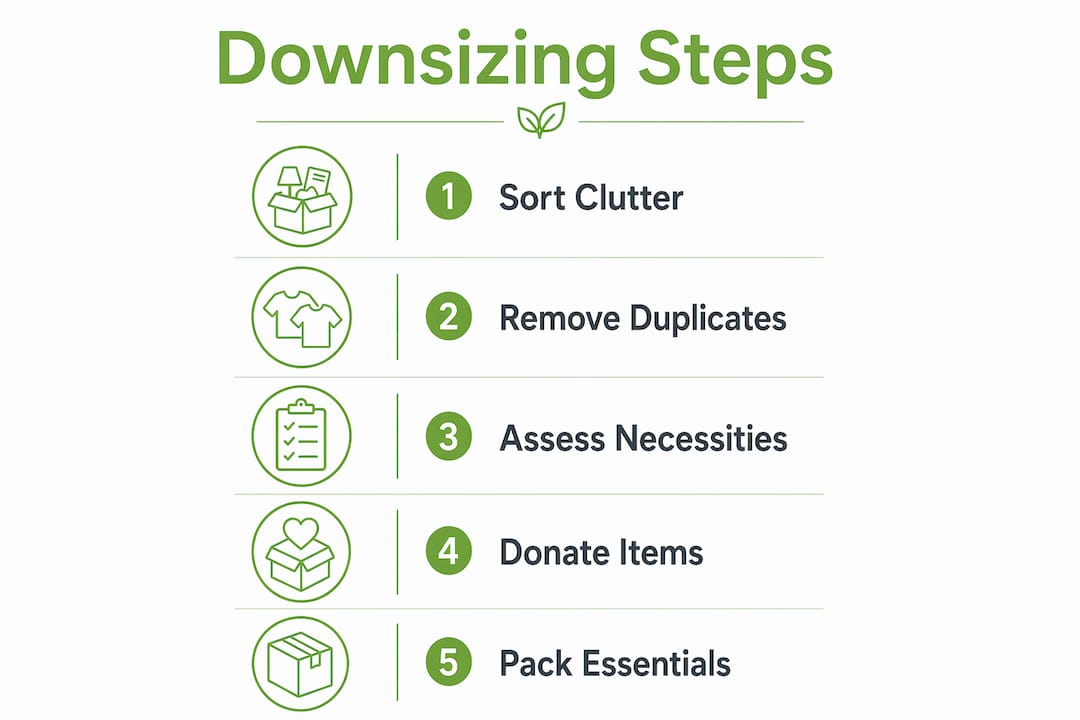
Follow these steps to downsize with purpose:
- Audit every room. Go category by category, not room by room. Tackle all clothing first, then kitchen items, then books, then sentimental objects.
- Apply the 300-item ceiling. Count everything. When you hit 300, stop adding and start cutting.
- Sort into four piles. Keep, donate, sell, and store. Be strict. If you haven’t used something in six months, it goes.
- Sell before you move. Use Facebook Marketplace or local consignment shops to convert clutter into cash before your move date.
- Give yourself 90 days. Rushing the process leads to regret and repurchasing. Start three months before your planned move date.
The psychological side of downsizing is real. Many people attach identity to their belongings. Releasing that attachment takes time and deliberate practice. Treat each item as a decision about who you want to be, not just what you want to own.
Pro Tip: Sort your belongings in three passes, not one. The first pass removes obvious clutter. The second removes duplicates. The third removes anything you kept “just in case.” Most people cut 60% of their remaining items on the third pass.

How do daily routines change when you adapt to tiny home living?
Daily life in a tiny home operates differently from apartment living. Cooking, cleaning, and hosting all require more intention because every action affects the whole space. Hosting guests requires creative furniture rearrangements and clear space management, since your living room, dining area, and guest space are often the same zone.
The habits that make tiny home living comfortable include:
- Cooking in batches. Tiny kitchens reward meal prep. Cook two or three meals at once to minimize cleanup and counter use.
- Tidying in real time. A dish left out in a 200-square-foot space feels like a mess. The rule is simple: put it away immediately.
- Using multifunctional furniture. Murphy beds, fold-down desks, and storage ottomans replace single-purpose pieces. Each item must earn its square footage.
- Creating visual zones. Use rugs, lighting, and shelving to define a sleeping area, a work area, and a relaxation area within the same open floor plan.
- Spending more time outside. Tiny home dwellers consistently report that outdoor space becomes an extension of the home. A porch, deck, or nearby park replaces the living room for many activities.
The mindset shift is just as important as the furniture. Small space living rewards people who find freedom in simplicity rather than comfort in accumulation. Moving from 2,000 square feet to 200 square feet increases psychological freedom for many people, but it requires real adjustments in logistics and resource management.
Pro Tip: Build a 15-minute daily reset into your routine. Every evening, spend 15 minutes returning everything to its designated place. This single habit prevents the “clutter creep” that makes tiny homes feel chaotic.
What utility setup do you need when moving into a tiny home?
Utilities in a tiny home differ significantly from apartment living, where the building handles most infrastructure. When you move to a tiny home, you take direct responsibility for power, water, heating, and waste.
A modest 2–3 kW solar setup costs $6,000–$10,000 installed and covers most daily energy needs for a tiny home. That investment pays off faster than in a full-size home because consumption is dramatically lower. Gridwiseliving offers solar energy systems sized specifically for small-footprint living, including hybrid inverter options for homes that want grid backup.
| Utility | Common Setup | Estimated Cost |
|---|---|---|
| Electricity | 2–3 kW solar array with battery storage | $6,000–$10,000 installed |
| Water | Municipal hookup or rainwater catchment with filtration | $500–$3,000 |
| Heating | Mini-split heat pump or propane stove | $1,500–$4,000 |
| Waste | Composting toilet or RV-style black water tank | $800–$2,500 |
| Internet | Starlink satellite or cellular hotspot | $600–$1,200 per year |
Off-grid options like composting toilets and rainwater catchment systems reduce monthly costs significantly. They also add complexity. Research your local regulations before installing either, since many counties restrict rainwater collection or require permitted septic systems even for tiny homes. You can explore off-grid power options in detail to match your specific setup and location.
How do you choose the right tiny home type and location?
The three main tiny home categories are tiny homes on wheels (THOWs), accessory dwelling units (ADUs), and community-based tiny home setups. Each carries different costs, regulatory requirements, and lifestyle implications.
| Type | Mobility | Avg. Cost | Zoning Complexity |
|---|---|---|---|
| Tiny home on wheels (THOW) | High | $30,000–$80,000 | High (RV park rules apply) |
| Accessory dwelling unit (ADU) | None | $60,000–$150,000 | Moderate (permit required) |
| Tiny home community | None | $20,000–$60,000 | Low (community manages zoning) |
Austin’s 2026 zoning ordinance changes make adding ADUs or tiny homes on owned property more viable than placing a THOW in the city. This reflects a broader urban shift: cities are updating codes to accommodate smaller dwellings on existing lots rather than expanding RV park infrastructure. If you own land or have family with a large lot, an ADU is often the most legally straightforward path in 2026.
THOWs offer mobility but come with financing challenges. Tiny homes frequently require higher-interest RV or personal loans rather than traditional mortgages. That difference can add thousands of dollars in interest over the life of the loan. Factor financing costs into your total budget before choosing a THOW over a permanent structure.
Tiny home communities offer a middle path. You own the structure but rent the land, which lowers upfront costs. Many communities also provide shared amenities like laundry, gardens, and common areas that offset the loss of apartment-style building features. You can learn more about building on a budget to compare cost structures across these options.
What challenges should you expect when testing the tiny home lifestyle?
The biggest challenge in tiny home living is not the square footage. It’s the psychological adjustment to constant proximity, whether to a partner, a pet, or simply your own thoughts. Success in tiny home living depends heavily on temperament and commitment, which is why testing the lifestyle before buying is the most recommended step by experienced tiny home dwellers.
Common challenges to anticipate:
- Partner alignment. Two people in 200 square feet need clear agreements about noise, guests, work schedules, and personal space. Misalignment here ends more tiny home experiments than any structural issue.
- Privacy loss. There are no rooms to retreat to. Headphones, outdoor time, and scheduled solo activities replace the privacy that separate rooms provided.
- Storage creep. Items accumulate faster than expected. Without a strict item count rule, a tiny home fills up within months of moving in.
- Maintenance intensity. Tiny homes cost less to maintain overall, but every repair is visible and immediate. A leaky roof in a 200-square-foot space affects everything.
- Aging-in-place limitations. Tiny home living works well as a phase of life, but loft sleeping, narrow stairs, and limited accessibility features make long-term aging in a THOW genuinely difficult.
Renting a tiny home for several months before committing to a purchase increases long-term satisfaction significantly. Platforms that list short-term tiny home rentals let you test specific layouts, locations, and utility setups before spending $40,000 or more.
Pro Tip: Before you buy, spend at least one full week in a tiny home during winter. Cold weather, limited outdoor time, and shorter days stress-test the lifestyle in ways that a summer rental never will.
Key Takeaways
Transitioning from apartment life to a tiny home succeeds when you downsize deliberately, adapt your daily habits, and choose the right structure for your location and lifestyle.
| Point | Details |
|---|---|
| Downsize to under 300 items | Experts recommend cutting possessions by at least 70% to fit tiny home storage limits. |
| Test before you buy | Renting a tiny home for several months before purchasing increases long-term satisfaction. |
| Solar covers most energy needs | A 2–3 kW solar setup costs $6,000–$10,000 and handles daily power for most tiny homes. |
| ADUs beat THOWs in cities | 2026 zoning reforms in cities like Austin favor ADUs over mobile tiny homes for urban dwellers. |
| Temperament determines success | Partner alignment, privacy habits, and mindset matter more than square footage preferences. |
What I’ve learned after watching people make this move
The advice that circulates about tiny home living tends to focus on the romance of the lifestyle. Freedom from debt, connection to nature, a lighter footprint. All of that is real. What gets less attention is the maintenance reality and the social recalibration that comes with it.
I’ve seen people thrive in 200 square feet and people abandon the lifestyle within a year. The difference is almost never the home itself. It’s whether they tested the lifestyle honestly before committing, whether they aligned with their partner on expectations, and whether they treated downsizing as a process rather than a one-weekend event.
The insight that most people miss is this: tiny home living is often better as a deliberate phase than as a permanent multi-decade plan. Your needs at 35 are not your needs at 65. A THOW with a sleeping loft works beautifully for a decade and becomes genuinely difficult as mobility changes. Build your plan with a 10-year horizon, not a lifetime one. That framing removes the pressure of “forever” and lets you commit fully to the present benefits.
The other thing worth saying plainly: the financial case for tiny homes is strong, but it’s not automatic. Financing costs on RV loans, land rental fees, and utility setup expenses can erode savings quickly if you don’t plan the numbers before you fall in love with a floor plan.
— Gridwise
Gridwiseliving’s tiny home and solar solutions
Gridwiseliving builds products specifically for people who want to live with less reliance on traditional systems. Whether you’re drawn to the cost savings, the sustainability angle, or simply the freedom of owning your space outright, the right equipment makes the difference between a frustrating experiment and a genuinely comfortable home.

The Gridwiseliving tiny homes collection includes expandable, fully equipped models designed for real daily living, not just weekend getaways. For energy independence, the expandable tiny home pairs well with Gridwiseliving’s solar energy systems, giving you a complete off-grid setup from a single source. Every product is selected for durability and practical use, so you spend less time troubleshooting and more time living the way you planned.
FAQ
How much should I downsize before moving to a tiny home?
Experts recommend reducing your total possessions by at least 70%, with many successful tiny home owners keeping fewer than 300 items. Starting the process 90 days before your move date gives you enough time to sort, sell, and donate without rushing.
What is the cheapest type of tiny home for urban dwellers?
Tiny home community setups typically range from $20,000–$60,000 and offer the lowest upfront cost, since you own the structure but rent the land. ADUs on owned property cost more upfront but avoid ongoing land rental fees.
Can I use solar power in a tiny home full-time?
A 2–3 kW solar array installed for $6,000–$10,000 covers most daily energy needs in a tiny home. Battery storage and a backup generator handle cloudy days and high-demand periods.
Do tiny homes qualify for traditional mortgages?
Tiny homes on wheels typically do not qualify for traditional mortgages. Buyers usually rely on RV loans or personal loans, which carry higher interest rates and shorter repayment terms than conventional home financing.
How do I know if tiny home living suits my temperament?
Renting a tiny home for at least one to three months, including a winter period, is the most reliable way to test compatibility. Pay close attention to how you and your partner handle limited privacy and shared space before committing to a purchase.