

Best Seeds for Beginners: Easy Picks for Quick Wins
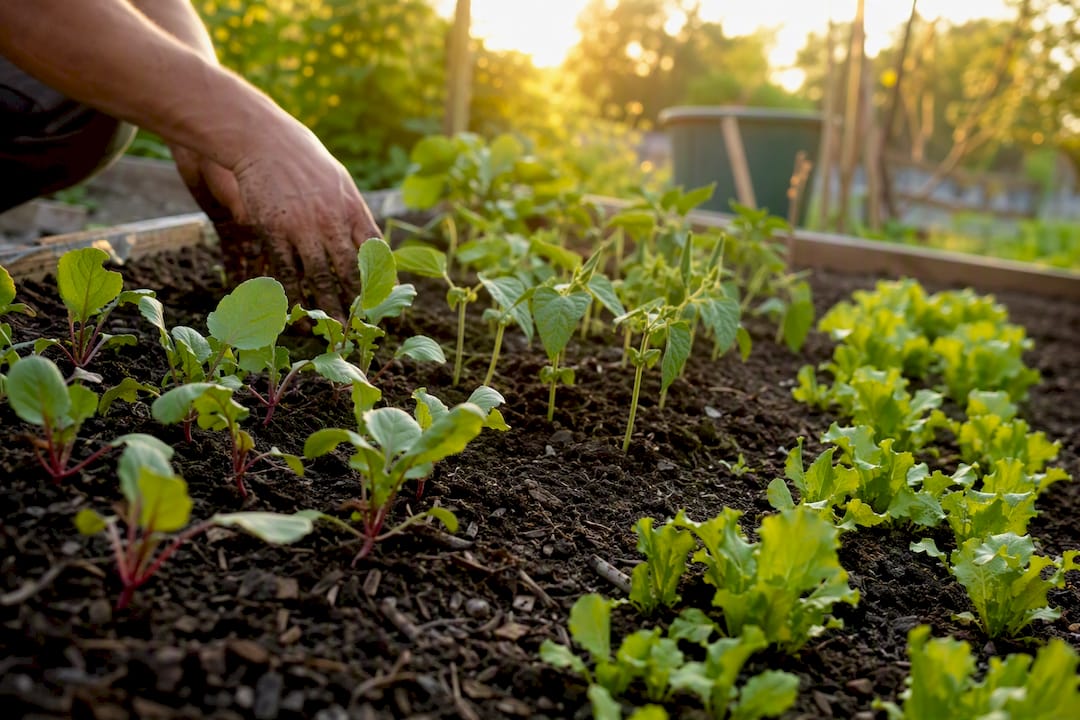
Radishes, loose-leaf lettuce, bush green beans, peas, basil, and zinnias top the list of the best seeds for beginners, and every one of them can go straight into the ground instead of a seed tray. Radishes generally push through soil in about five days and reach harvest quickly, which makes them an ideal confidence-builder any new gardener can plant. Lettuce and peas prefer cool soil and direct sowing. Bush beans go in once the soil warms, spaced about four inches apart, an inch deep. Basil wants warmth and a sunny windowsill or bed. Zinnias practically beg you to scatter them across a bare patch of dirt.
Pick two or three of these to start. Direct sowing removes the fuss of trays, grow lights, and transplant shock, and it’s the cheaper route for a first attempt.
Key Takeaways
New gardeners succeed fastest by direct-sowing a small shortlist of forgiving crops rather than juggling seed trays and specialty seeds that need extra prep.
| Point | Details |
|---|---|
| Start with fast crops | Radishes, lettuce, bush beans, and peas deliver a harvest within three to five weeks. |
| Direct-sow when possible | Beans, peas, and radishes dislike transplanting and do better sown where they’ll grow. |
| Follow the depth rule | Plant seeds two to three times as deep as their width, except light-dependent seeds like lettuce. |
| Skip high-prep seeds | Avoid anything needing scarification or cold stratification for your first season. |
| Consider a starter kit | Gridwiseliving’s beginner seed kits pre-select easy varieties with clear planting instructions. |
Table of Contents
- The Best Vegetable, Herb, and Flower Seeds for New Gardeners
- How Do You Plant Seeds for Reliable Germination?
- Which Seeds Should Beginners Avoid?
- Common Beginner Mistakes and Easy Fixes
- When Should You Sow Seeds for Best Results?
- Ready to Skip the Guesswork? Try a Beginner Seed Kit
- Sources
The Best Vegetable, Herb, and Flower Seeds for New Gardeners
Not every seed behaves the same way, so grouping them by category helps you match your space and patience level to the right pick.
Vegetables. Radishes are the standout: direct-sow a half-inch deep, thin seedlings to an inch apart, and expect a fairly quick harvest. Loose-leaf lettuce germinates in five to ten days and gives you baby greens in as little as three weeks if you snip outer leaves as it grows. Bush beans and peas both dislike having their roots disturbed, so direct sowing produces stronger plants than starting them indoors and transplanting later. Compact or bush-variety cucumbers work in a large container if you give them something to climb. Zucchini is famously prolific, almost to a fault. One or two plants will outproduce what most households can eat, so it’s a better second-season crop once you have a bed with room to spare.
Herbs. Basil germinates fastest of the common kitchen herbs, usually within five to ten days in warm soil, and it wants a spot with six or more hours of sun. Chives are nearly foolproof: sprinkle seeds on the surface, keep the soil damp, and they’ll come up in a couple of weeks with almost no fuss. Cilantro and parsley germinate more slowly and unevenly, so don’t panic if it takes two to three weeks. Sow them a little thicker than you think you need.
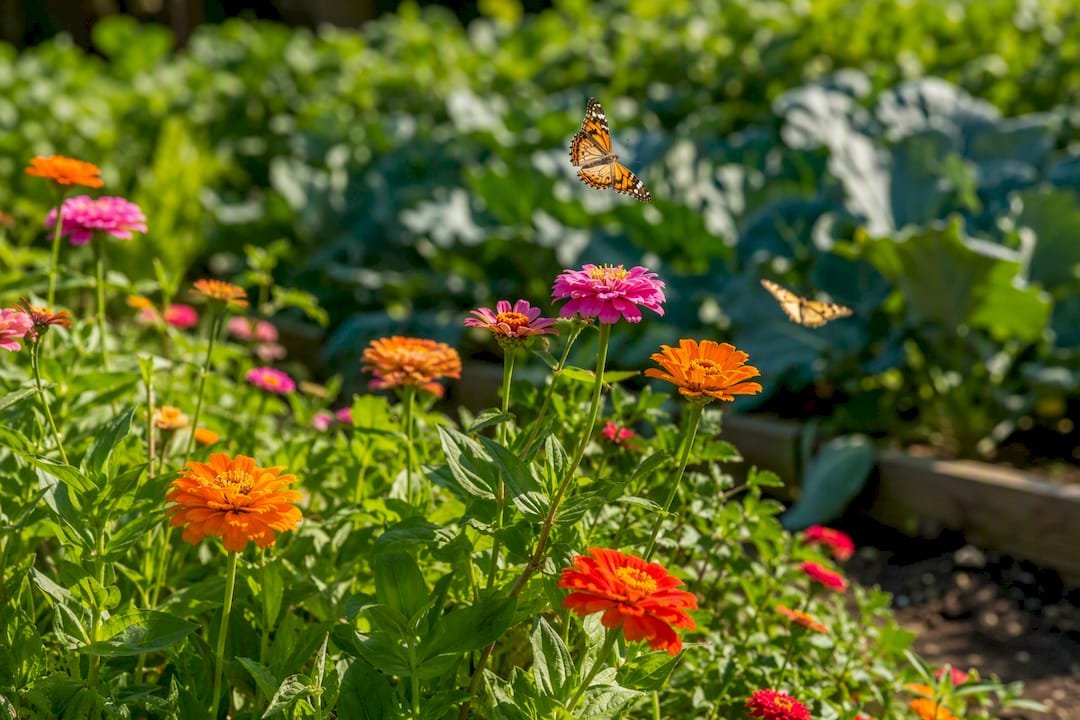
Flowers. Zinnias and marigolds germinate within a week and bloom fast enough that you’ll see color before summer peaks, and both draw pollinators into a vegetable bed. Sunflowers are the most satisfying seed to hand a first-time gardener or a kid, since the seed itself is large enough to place by hand and the seedling emerges within days.
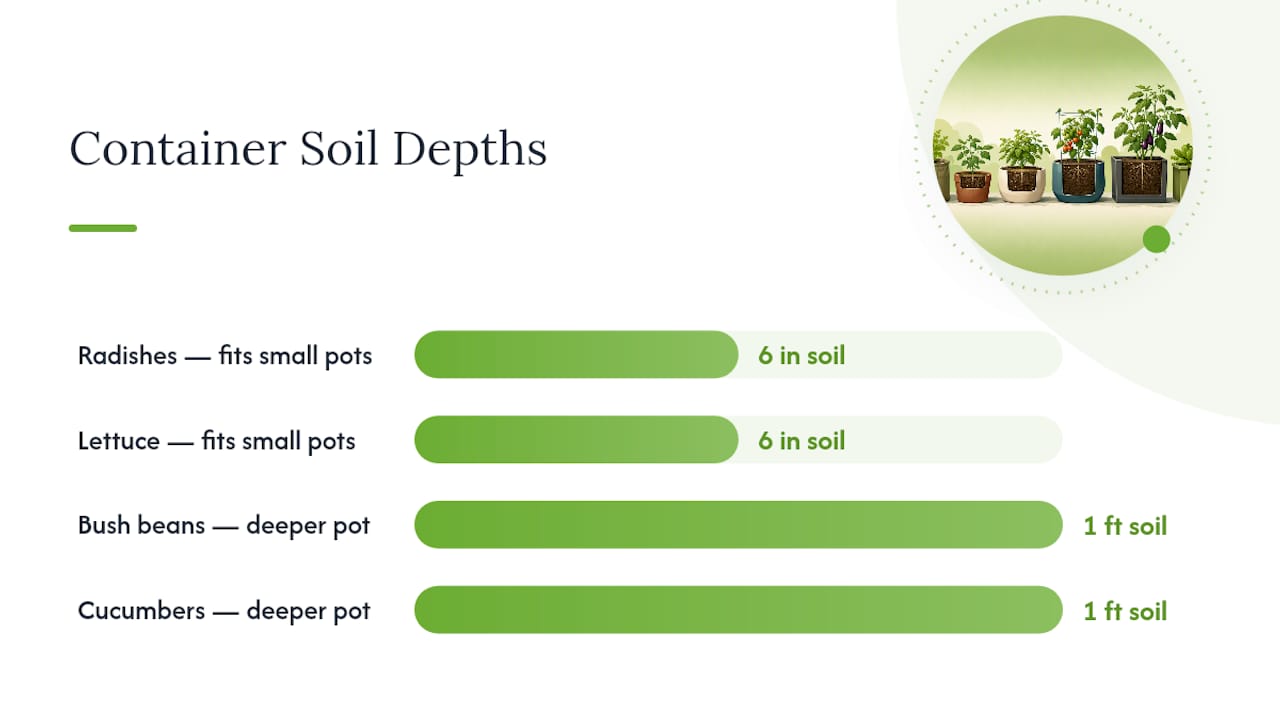
If you’re working with pots instead of a garden bed, radishes and lettuce need only six inches of soil depth, while bush beans and cucumbers do better with a container at least a foot deep. A container gardening guide can help you size pots correctly before you buy soil.
How Do You Plant Seeds for Reliable Germination?
Prepare loose, well-draining soil, sow seeds at the right depth, keep the bed consistently moist, and move seedlings into good light the moment they sprout. That four-part sequence covers most of what determines whether a seed germinates at all.
- Choose a soil or potting mix that drains well. Garden soil that stays soggy rots seeds before they sprout; a bagged seed-starting mix or amended garden bed avoids that problem.
- Check container drainage. Any pot, recycled container, or DIY vessel works as long as water can escape the bottom. Newspaper pots and milk cartons are common low-cost options, and biodegradable pots can go straight into the ground to skip transplant shock entirely.
- Follow the depth rule of thumb. Plant a seed roughly two to three times as deep as its own width. Some seeds, like lettuce, need light to germinate and should sit right on the surface instead of being buried.
- Space seeds according to the packet. Crowded seedlings compete for light and nutrients before they even get established.
- Keep soil warm and evenly moist until seedlings emerge, then move them into bright light immediately. A seedling mat can speed germination but isn’t required for most beginner crops.
Pro Tip: If you’re starting seeds indoors, keep a shop light or LED grow light just a few inches above the seedlings and raise it as they grow. Light that’s too far away is the number one cause of the pale, floppy stems beginners mistake for a disease.
Which Seeds Should Beginners Avoid?
Skip anything that requires scarification, cold stratification, or fire to germinate. Extension guidance is blunt about this: those seeds add complexity a first garden doesn’t need.
- Certain native wildflower seeds need weeks of refrigeration at 33 to 36°F before they’ll sprout.
- Some tree seeds require their outer coat physically nicked or sanded before water can reach the embryo inside.
- A handful of specialty legumes and perennial flower seeds need similarly specific pre-treatment to break dormancy.
The simple rule: if the seed packet mentions stratification, scarification, or a multi-week chill period, set it aside for next year. Vegetables, common herbs, and typical annual flowers rarely ask for any of that.
Common Beginner Mistakes and Easy Fixes
Overwatering kills more seedlings than drought does. Let the top of the soil dry slightly between waterings and make sure your container actually drains. Planting too deep is the second-biggest culprit: stick to the two-to-three-times-seed-width rule instead of guessing. Crowded seedlings should be thinned, not transplanted. Snip the weaker ones at the soil line rather than pulling and disturbing the roots of the ones you’re keeping. If your seedlings look tall, pale, and floppy, that’s legginess from weak light. Move them closer to a window or grow light immediately.
For seeds you’re not planting right away, store them in a cool, dry, dark spot, ideally in a sealed container. Most vegetable seeds stay viable for one to three years, so label packets with the date and check older ones for a decent sprout rate before relying on them.
Pro Tip: Test old seeds by sprouting ten on a damp paper towel. If fewer than six come up in a week, buy fresh seed instead of gambling a whole season on questionable stock.
When Should You Sow Seeds for Best Results?
Check your local first and last frost dates before you plant anything. That single step determines whether a seed goes into the ground now or waits a few more weeks.
- Cool-season seeds (lettuce, peas, radishes) tolerate light frost and can go in a few weeks before your last frost date.
- Warm-season seeds (beans, cucumbers, basil, zinnias) need the soil to warm up, generally after your last frost has passed.
- Succession sowing keeps harvests coming: plant a short row of radishes or lettuce every two to three weeks instead of all at once.
- Containers warm up faster than garden beds, so potted seeds can often go in slightly earlier than the same crop in open ground.
A quick note from someone who’s been there
Start with radishes or loose-leaf lettuce. You’ll see a harvest in weeks, and that first small win is what keeps most new gardeners planting again next season.
Ready to Skip the Guesswork? Try a Beginner Seed Kit
If picking through seed racks feels like more decision-making than you signed up for, a pre-selected option solves that problem in one purchase. Gridwiseliving’s beginner seed kits bundle seeds already chosen for easy germination, along with planting instructions that spell out sowing depth, spacing, and timing so you’re not cross-referencing five different seed packets.

A curated kit also saves money compared to buying six or seven individual packets and guessing wrong on two of them. If you want a herb project that doesn’t even require outdoor space, Genovese basil microgreens seeds grow on a windowsill in under two weeks. And once you’re ready to extend your growing season past what open ground allows, browse Gridwiseliving’s greenhouse collection to see what a protected structure adds to a beginner’s setup. Either way, the next step is small: pick a kit, pick a windowsill or a patch of dirt, and plant something this weekend.
Sources
- 10 easy vegetables to grow from seed — The Old Farmer’s Almanac
- Plants in the Classroom: Successfully Starting Seeds — Oklahoma State University Extension